Category: Banking & Saving
-
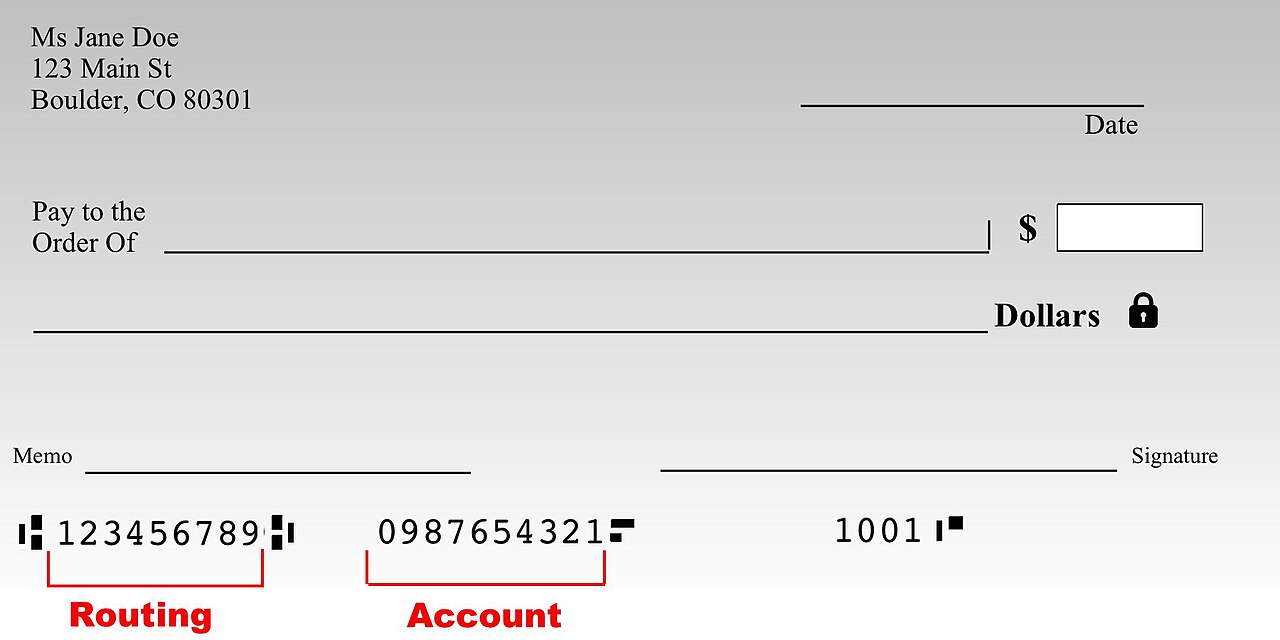
Cashier’s Check or Money Order: Which One and When
Money orders cap at $1,000 and cost a few dollars; cashier’s checks handle big payments. How each works, what they cost, and which to use when.
-
After the Fed’s June Decision, Where Card Rates Go
The Fed held rates steady at its June meeting, so the prime rate stays at 6.75 percent. Here is what that means for the APR on your credit card.
-
CD Early Withdrawal Penalties: Read Before You Lock In
CD early withdrawal penalties can erase interest and even principal. What banks must disclose, how penalties are structured, and how to keep flexibility.
-
States May Be Holding Your Money: How to Check Free
Old deposits, uncashed checks and forgotten accounts end up with state unclaimed property programs. Where to search free, and why you never need a paid finder.
-
Old Debts Have a Clock: The Statute of Limitations
Debt collectors cannot sue forever. How the statute of limitations works, what can restart the clock, and the mistakes that revive an old debt.
-
Grace Periods: The Way to Never Pay Card Interest
Most credit cards lend you money interest-free for weeks at a time. How the grace period works, the mistakes that end it, and how to win it back.
-
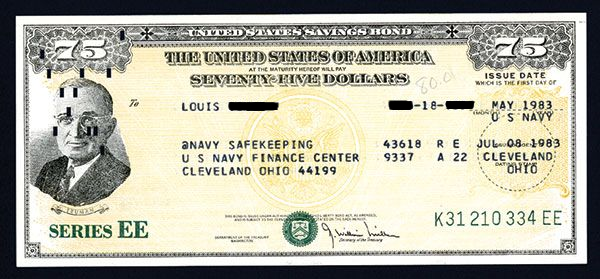
Series I Bonds: How the Two-Part Rate Actually Works
I bonds bought now pay 4.26 percent, built from a 0.90 percent fixed rate plus inflation. How the two parts combine, and which one deserves your attention.
-
How FDIC Coverage Adds Up Across Account Types
FDIC insurance is $250,000 per depositor, per bank, per ownership category. Here is how the categories stack, and how to check your own coverage free.