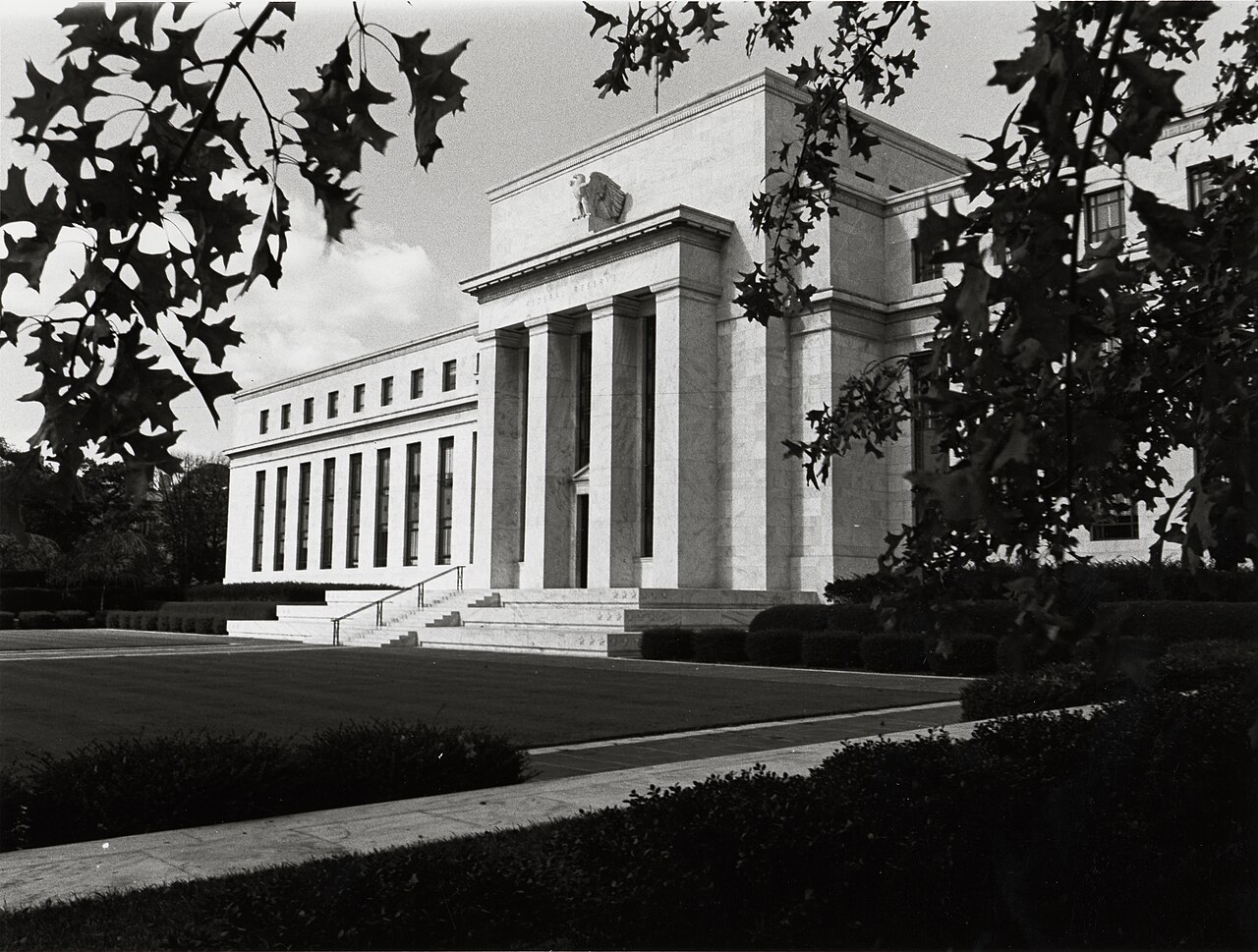
The Federal Reserve wrapped up its June meeting on Wednesday and left its benchmark interest rate right where it was, in a target range of 3.5 to 3.75 percent, according to the statement released by the Federal Open Market Committee. For anyone carrying a credit card balance, the translation is simple: the rate you are paying today is the rate you should expect to keep paying for a while.
Credit card interest is one of the fastest places a Fed decision shows up in household budgets, because most card rates are variable and move almost automatically with the Fed. This piece walks through how that link works, what Wednesday’s decision means in dollars, and what you can control even when the Fed does nothing.
The chain from the Fed to your card statement
Almost every general-purpose credit card in America carries a variable annual percentage rate that is priced off the prime rate. Banks set prime at roughly 3 percentage points above the top of the Fed’s target range, so when the Fed held at 3.5 to 3.75 percent, the prime rate stayed at 6.75 percent, where it has sat since the Fed’s last move. You can see the current prime rate in the Fed’s own H.15 selected interest rates release.
Your card’s APR is typically written as prime plus a margin that was set when you were approved. A card priced at “prime plus 14.24 percent,” for example, carries a 20.99 percent APR today. When the Fed moves a quarter point, prime moves a quarter point, and your APR follows within a billing cycle or two. No vote, no notice letter, no phone call. That automatic pass-through is why card rates climbed so quickly during the 2022 to 2023 hiking cycle and why they have come down only as far as the Fed has.
Where card rates stand now
Even after the Fed’s earlier cuts, card borrowing remains expensive by any historical standard. The Federal Reserve’s G.19 consumer credit release put the average rate on credit card accounts that were actually charged interest at about 21.5 percent in the first quarter of 2026. On a $6,000 balance, a rate in that neighborhood costs roughly $107 a month in interest before you have paid down a single dollar of principal.
The margin explains why card rates did not fall as far as the Fed’s benchmark did. Issuers widened margins over the past several years, so even as prime declined, the average APR stayed above 20 percent. The Fed controls the prime side of the equation. The margin side belongs to your card company, and it rarely shrinks on its own.
Do not count on cuts to do the work
The June meeting also came with a fresh set of quarterly projections, and they leaned away from further relief. The median committee member now expects the federal funds rate to end 2026 at about 3.8 percent, slightly above today’s level, according to the projection materials released with the decision. In plain terms, more policymakers penciled in a possible hike this year than a cut.
Forecasts change, and the committee itself stresses that it will respond to incoming data. But if your debt payoff plan quietly assumes that rates will drift down and rescue you, the Fed’s own numbers are telling you not to write that story. A cardholder waiting for a 21 percent APR to become a 15 percent APR through Fed policy alone is likely to wait for years.
What you can actually change
The good news is that the margin between what you pay and what you could pay is wide, and much of it is negotiable or avoidable. A few moves worth considering this month:
Ask your issuer for a lower rate. Card companies can reprice individual accounts, especially for customers with improved credit scores and on-time payment histories. A five-minute call costs nothing.
Consider a balance transfer. Promotional 0 percent transfer offers, typically running 12 to 21 months, remain widely available to borrowers with good credit. Mind the transfer fee, usually 3 to 5 percent of the amount moved, and have a plan to clear the balance before the promotional clock runs out.
Understand how interest is actually charged. Interest accrues daily on your average daily balance, which means payments made earlier in the cycle save real money. The Consumer Financial Protection Bureau has a clear explainer on how card interest is calculated.
Protect your grace period. If you pay the full statement balance every month, most cards charge you no interest at all on purchases. Once you carry a balance, that grace period generally disappears until you pay in full again, so interest starts accruing from the day you swipe.
One quirk of the rules worth knowing
Federal law generally requires card issuers to give you 45 days’ notice before raising your interest rate, and new rates usually apply only to new purchases. But there is an exception built for exactly this situation: when your rate is variable and tied to an index like prime, increases that come from the index moving do not require notice and can apply to your existing balance. That is the legal machinery that lets Fed decisions flow straight through to what you owe.
It cuts both ways. If the Fed does cut later this year, your variable APR should fall by the same amount without your asking. Just do not build the household budget around it. The June decision, and the projections that came with it, say the cost of carrying a card balance is going to stay high on any horizon that matters for a payoff plan. The cheapest interest rate remains the one you stop paying, one statement balance at a time.

Leave a Reply