Category: Earning & Work
-

Overtime Pay: Who Gets Time and a Half by Law
Federal law promises time and a half after 40 hours, but only for nonexempt workers. The 2026 salary threshold, the duties tests, and a new tax break.
-

Hiring Your First Employee: The Federal To-Do List
An EIN, Form W-4, Form I-9, new-hire reporting, payroll deposits, and posters: the federal steps every first-time employer has to get right.
-

Babysitting Money and Taxes: Where the Line Sits
When a babysitter is a household employee, when the money is self-employment income, and the 2026 thresholds that decide who owes what to the IRS.
-
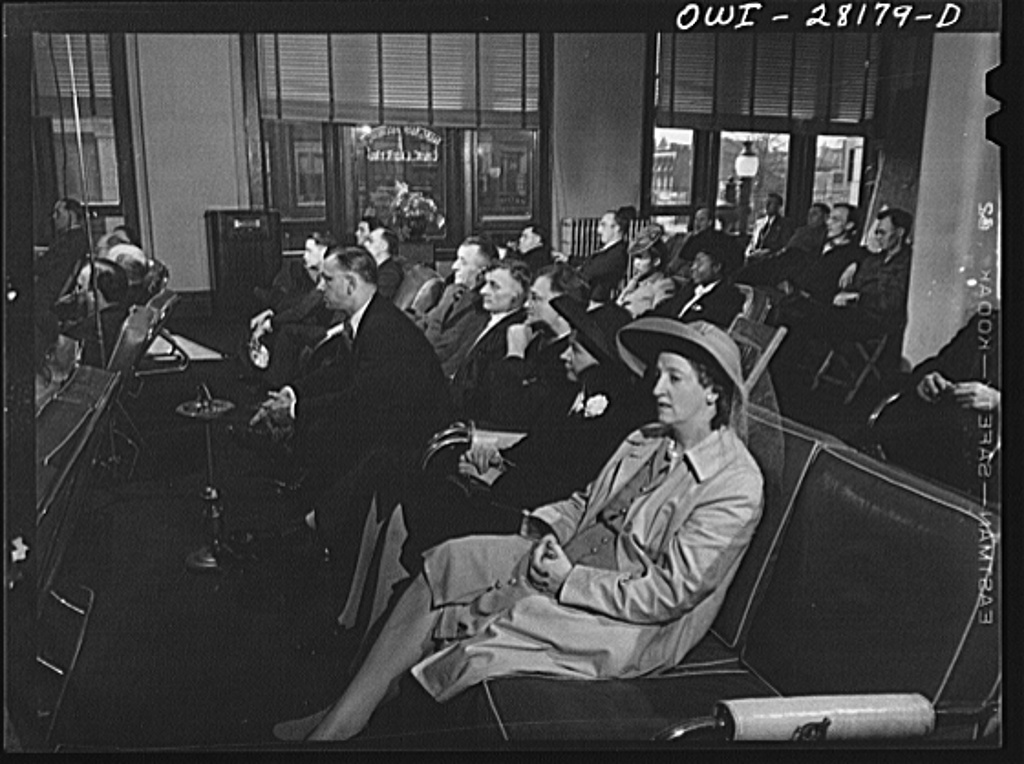
Yes, You Can Talk About Pay With Coworkers
Federal law protects most private-sector workers who discuss wages with coworkers. What the NLRA covers, who is excluded and how to file a charge.
-
The June Employment Numbers and What They Signal
June brought 57,000 new jobs, a 4.2 percent unemployment rate and softer revisions. What the report means for paychecks, job hunts and hours.
-

Minimum Wages Rise Today in Several States
Alaska, Oregon and the District of Columbia raise their minimum wages July 1, 2026, along with a long list of cities. Here are the new rates and who gets them.
-

The Simplified Home Office Deduction: $5 a Square Foot
The IRS simplified method pays $5 per square foot of home office space, up to 300 square feet. Who qualifies, the exclusive-use test, and when actual expenses beat it.
-
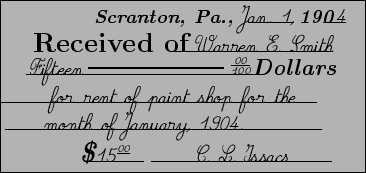
Side Gig Records: What the IRS Expects You to Keep
Driving, freelancing, or selling online? IRS Publication 583 spells out the records to keep, the receipts that back them up, and how long to hold everything.
-

Salary Ranges in Job Ads: Where the Law Requires Them
A dozen states now require pay ranges in job postings. Which states, who is covered, and how to use the numbers even where the law is silent.
-

SBA Microloans: Small Dollars for a First Business
SBA microloans lend up to $50,000 through nonprofit lenders, and the average loan is about $13,000. How the program works and who it fits.
-
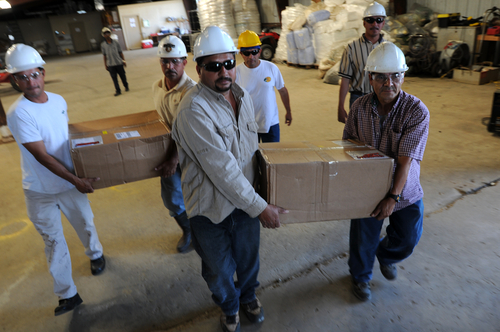
Hurt on the Job: How Workers’ Compensation Works
Workers’ compensation pays medical bills and part of lost wages after a work injury, no fault required. How claims work, who runs them and the deadlines.
-

Mystery Shopping Jobs: Telling Real Gigs From Fakes
Real mystery shopping jobs exist, but so do costly fakes. How the fake-check version works, the upfront-fee red flag, and how to vet a company.