Somewhere in your past there may be a utility deposit from an apartment you left in a hurry, a final paycheck that never caught up with you, or a refund mailed to an address three moves ago. Money like that does not evaporate. After a few years of sitting unclaimed, the law requires the company holding it to turn it over to a state unclaimed property program, which holds it for you, in most states indefinitely, until you come get it.
The pool is enormous. The National Association of Unclaimed Property Administrators, the network of state officials who run these programs, reports that states return well over a billion dollars to owners every year, and billions more sit waiting. Searching takes minutes, costs nothing, and requires no middleman, which is exactly why an industry of paid “finders” would prefer you not know that.
How your money ends up with a state
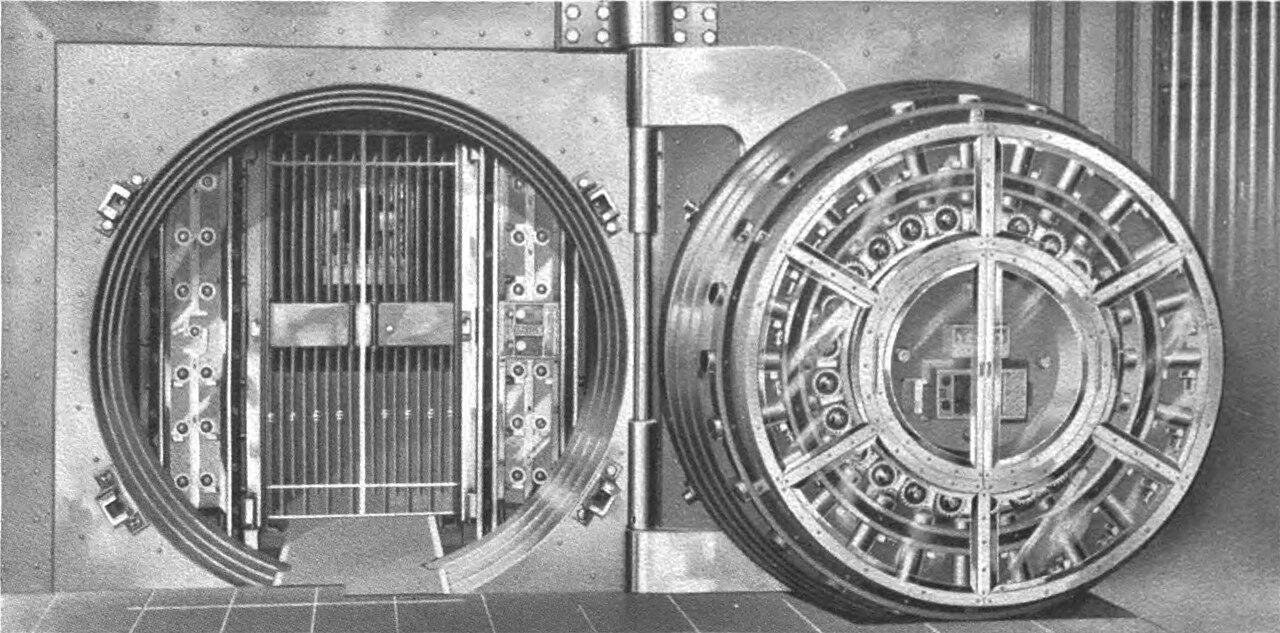
Every state has an unclaimed property law, sometimes called escheat. When a business owes you money and cannot reach you for a set dormancy period, often three to five years, it must hand the property to the state where your last known address was. The categories are broader than most people expect: dormant checking and savings accounts, uncashed payroll and cashier’s checks, security deposits, insurance payouts, stock dividends, brokerage balances, customer refunds, gift certificates in some states, and the contents of abandoned safe deposit boxes.
The state then acts as custodian. It lists your name in a public database and pays the money out, free, to anyone who proves they are the rightful owner or heir. States actively try to find owners through mailings, outreach events, and cross-checks of public records, but the databases still hold far more names than the states can chase down. Yours may be one of them.
Where to search, free, in about ten minutes
Start with the federal government’s plain-English directory at USA.gov’s unclaimed money page, which links out to the official databases by category. For state-held property, the authoritative route is NAUPA’s state-by-state search directory, which connects you to each state’s official program, and MissingMoney.com, the multi-state database NAUPA sponsors, which lets you sweep most participating states in one search.
Search every state you have ever lived in, not just your current one, and every name you have used: maiden names, hyphenations, common misspellings, and first-initial versions. Search deceased relatives too; heirs can claim with estate documentation. Businesses you have owned can have unclaimed property as well. The whole exercise is the rare financial task with genuine lottery mechanics and zero ticket price, so repeat it every year or two, since new property flows into the systems constantly.
The federal corners worth a look
State programs do not hold everything. Two federal databases are worth adding to the sweep. Savings bonds that matured decades ago and were never redeemed can be located through Treasury Hunt, TreasuryDirect’s search tool for matured, unredeemed bonds. And people owed a traditional pension from a company that failed or lost track of them can search the Pension Benefit Guaranty Corporation’s unclaimed retirement benefits database. Other federal agencies hold their own categories, from FDIC funds tied to failed banks to undelivered tax refunds, and the USA.gov page above indexes them.
What claiming actually involves
Once you find a match, you file a claim with that state’s program, usually online. Expect to prove identity and your connection to the listed address or the original owner: a driver’s license, Social Security number, and sometimes documentation like an old bill tying you to the address. Claims on a deceased relative’s property require estate paperwork, such as a death certificate and proof you are the heir or executor. Simple claims often pay out within a few weeks; complicated ones, like securities that must be liquidated or safe deposit contents, take longer. The state never charges you to search or to claim.
The paid-finder pitch, and when it turns into a scam
If a letter or caller offers to recover money you did not know about, for a percentage or an upfront fee, understand what is happening: someone searched the same free public database you just learned about and hopes to charge you for the link. Legitimate finders exist, and many states cap their fees, but they offer nothing you cannot do yourself in minutes. NAUPA’s own guidance is blunt that searching and claiming are always free through official programs.
The harder line to watch is where sales pitch becomes fraud. No real unclaimed property program demands an upfront “processing fee,” asks for your bank login, or pressures you to act before a deadline expires. Government impersonators love this territory precisely because the underlying program is real and vaguely familiar. If a communication about unclaimed money asks you to pay anything to receive it, stop and go directly to your state program’s website instead.
The odds on any single search are modest, but the cost is ten minutes and the payoff is occasionally a genuine windfall that was always yours. Check your states, check your names, check your relatives, and set a reminder to do it again in a year. The money is not going anywhere, but there is no reason to leave it sitting in a database when it could be back in your account.

Leave a Reply