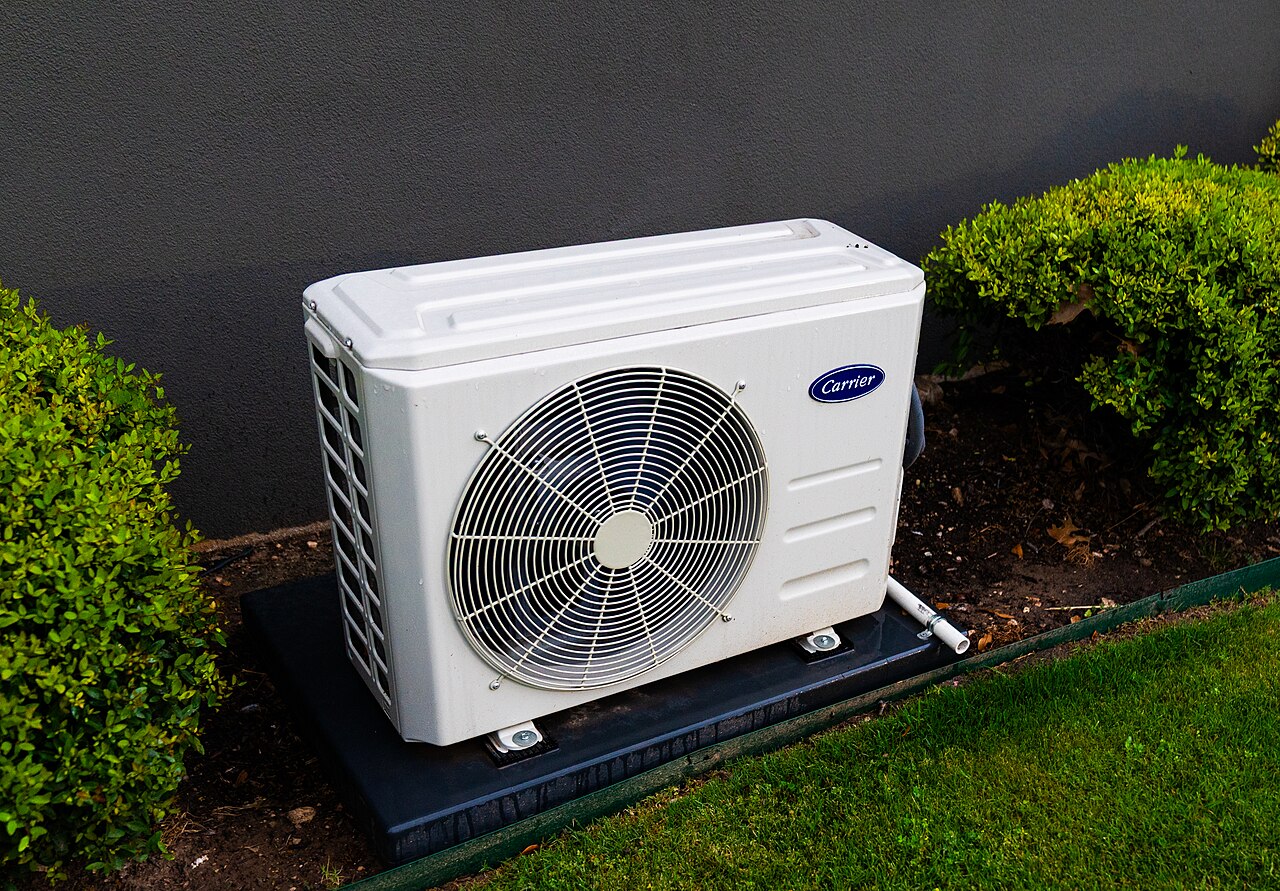
A homeowner pricing a heat pump this summer is hearing two very different stories. Contractors’ websites still advertise federal tax credits worth thousands; the tax code says most of those credits ended six months ago. The tax law passed in July 2025 moved up the expiration of the two big residential energy credits to December 31, 2025, years ahead of their original schedule, and the IRS pages for both now say so plainly.
That does not mean every dollar of help is gone. Money is still on the table in 2026 from three directions: improvements you finished last year and have not yet claimed, one narrower federal credit that ran until just this week, and rebate programs that operate outside the tax code entirely. Here is what expired, what still counts, and how to claim each piece.
What ended on December 31
The Energy Efficient Home Improvement Credit, known by its code section 25C, covered 30 percent of qualifying efficiency work, up to $1,200 a year for items like insulation, windows and doors, plus a separate allowance of up to $2,000 for heat pumps and heat pump water heaters. It now applies only to property placed in service before January 1, 2026.
The Residential Clean Energy Credit, section 25D, paid an uncapped 30 percent on solar panels, battery storage, geothermal heat pumps and similar systems. It likewise ended for expenditures after December 31, 2025. For equipment installed in 2026, neither credit exists, and a quote or sales pitch that folds “the 30 percent federal credit” into 2026 math is simply out of date.
Still counts: 2025 projects you have not claimed yet
The expiration did not claw anything back. If your insulation, windows, heat pump or solar array was placed in service during 2025, the credit is yours, claimed on Form 5695 with your 2025 return. Filers who requested the automatic extension have until October 15, 2026 to file that return, so the paperwork window is still open right now. And if you filed in the spring and simply forgot the credit, you can amend your 2025 return to claim it; amended returns are generally allowed within three years of filing.
Keep the substantiation: itemized invoices showing equipment and installation dates, manufacturer certification statements, and, for 2025-installed items subject to the newer rules, the product identification number the manufacturer assigned, which the IRS requires on returns claiming certain 25C items placed in service in 2025. If your installer has gone quiet since the sale, the manufacturer’s website is usually the fastest place to recover that number.
Just closed: the EV charger credit’s June 30 deadline
One federal credit survived into this year and expired only this week. The Alternative Fuel Vehicle Refueling Property Credit, section 30C, pays 30 percent of the cost of home EV charging equipment, up to $1,000, for property placed in service on or before June 30, 2026, in eligible census tracts. If your charger was installed and working by Tuesday’s deadline, the credit still counts; you will claim it on Form 8911 with the 2026 return you file next year. Placed in service means installed and operational, not purchased, so a charger sitting in a box does not qualify.
Still running: rebates that never were tax credits
Separate from the tax code, the Department of Energy’s Home Energy Rebates, created by 2022 legislation and run by state energy offices, remain in operation in participating states. The two programs, one rewarding whole-home efficiency savings and one providing point-of-sale rebates on qualifying electric appliances for income-eligible households, can be worth thousands of dollars, with statutory caps of $8,000 and $14,000 respectively depending on program, income and project. Availability, covered equipment and amounts differ state by state, and federal guidance revised the programs’ scope this spring, so check your state’s status through the DOE’s home upgrades portal before assuming a rebate exists for your project.
Utilities and states add their own layer: many electric and gas utilities pay rebates on heat pumps, water heaters, insulation and smart thermostats, and several states run their own tax credits that did not expire with the federal ones. Your utility’s efficiency page and your state energy office are the authoritative sources.
How to think about a 2026 project
Run the numbers without any federal credit, then subtract only the incentives you have verified in writing from the state, utility or rebate program itself. An efficiency upgrade that made sense mainly because of a 30 percent federal rebate may now be worth deferring; one that pays for itself in energy savings still pays for itself. And treat any contractor who promises “federal tax credits” for 2026 installations as a red flag on the whole quote: if the pitch gets the tax law wrong, verify everything else in it. The IRS pages linked above are current, free and take five minutes; that is the cheapest energy audit you will do this year.

Leave a Reply