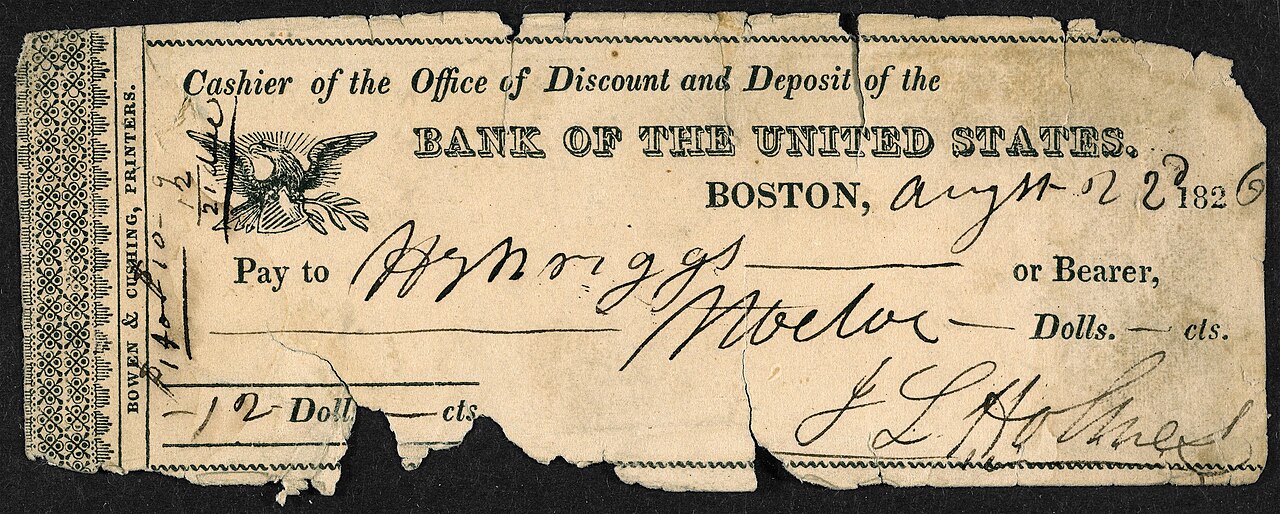
The check arrives, you deposit it, and two days later the money shows up in your account balance. Most people take that as the bank’s verdict that the check was good. It is not. It is the product of a federal rule that requires banks to make deposited funds available quickly, usually within a couple of business days, long before anyone has confirmed the check is real, as the Consumer Financial Protection Bureau explains. Discovering a forgery can take weeks.
That gap between available and actually cleared is the engine of every fake check scam, and it is why the scam keeps working on careful people. The victim is not credulous; the victim reasonably believes the bank has vouched for the check. Here is how the con runs, the forms it takes, and the one rule that defeats all of them.
The mechanics: your money leaves before theirs bounces
Every version of the scam has the same skeleton. Someone sends you a check, often for more than expected, and manufactures a reason for you to send some of the money onward, by wire transfer, gift cards, a payment app, or cryptocurrency. You deposit the check, see the funds in your balance, and send the money as instructed. Days or weeks later, the check is identified as counterfeit and the bank reverses the deposit. The Federal Trade Commission’s guidance on fake checks is blunt about the ending: you are responsible for the checks you deposit, so the bank takes the full amount back from you, while the money you sent on is unrecoverable.
The counterfeits themselves are good. Scammers print convincing checks with real bank routing numbers, and they favor cashier’s checks and money orders precisely because people trust them. A cashier’s check can be counterfeited as easily as a personal one, a point the OCC’s consumer site, HelpWithMyBank.gov, makes in answering exactly this question.
The costumes the scam wears
The overpayment. You sell something online; the buyer’s check arrives for too much, with apologies and a request to refund the difference. Real buyers do not overpay strangers and ask for change.
The mystery shopper job. Your first assignment is to deposit a check, buy gift cards or evaluate a money-transfer service, and send funds along, then report on the experience. The job is the scam; there is no second assignment.
The prize or grant. You have won money, and the enclosed check covers the taxes and fees you must wire back before collecting the rest. Legitimate sweepstakes never send you money and ask for money back.
The accidental deposit. A romance interest or online employer sends funds into your account by check and asks you to forward them somewhere, sometimes framed as a favor, sometimes as payroll processing. Besides the certainty of the check bouncing, moving strangers’ money through your account is how people become unwitting money mules.
The one rule that beats it
Never send money, gift cards or crypto to anyone who has just paid you by check. That single rule defeats every variant, because the send-money-back step is the scam’s load-bearing wall. If a check might be legitimate but you are unsure, slow everything down: a check can take weeks to fully clear or fail, and anyone pressuring you to move money before then is telling you what they are. You can also call the bank the check is supposedly drawn on, using a phone number from that bank’s website rather than the number printed on the check, and ask whether the account and check are valid.
If you already sent the money
Move fast; recovery odds fall by the hour. Contact whatever service carried your money, the wire department of your bank, the gift card issuer with the card numbers and receipts, or the payment app, and ask them to reverse or freeze the transaction. Tell your own bank what happened so it can flag the deposit and work the return. Then report the scam to the FTC at ReportFraud.ftc.gov, and, if the check came through the mail, to the U.S. Postal Inspection Service. Reports build the case files that get these operations shut down, and some victims do recover gift card funds when they call quickly enough.
Expect your bank to want repayment of the reversed deposit; that debt is real, and ignoring it can close your account and land you in a database that makes opening the next one hard. Talk to the bank about a repayment plan if the amount is large.
The mindset that keeps you safe
Treat an available balance as a loan against a check still being verified, because legally that is what it is. Treat checks from strangers, especially ones larger than agreed, as counterfeit until proven otherwise. And remember that the pressure to act quickly is itself the tell: real employers, real buyers and real prize committees can all wait two weeks for a check to clear. Only the person who printed the check cannot.

Leave a Reply