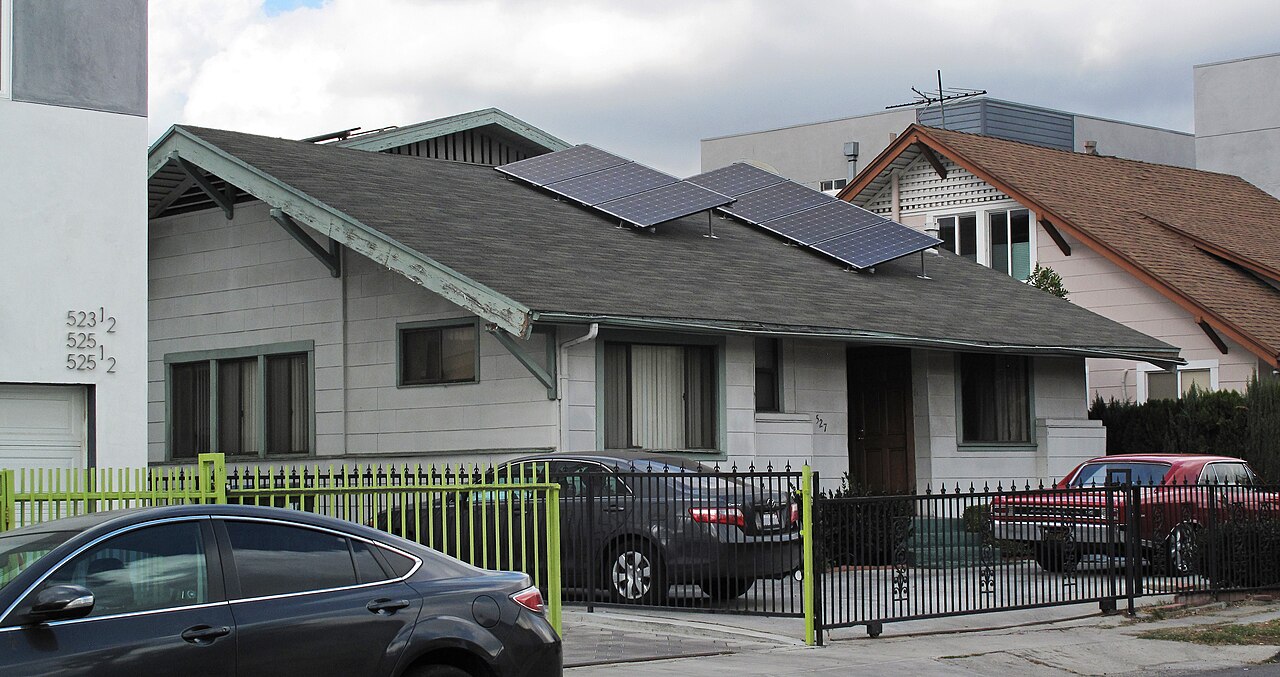
The knock on the door is the same as it has been for years: a salesperson with a tablet, a satellite photo of your roof, and a monthly number that beats your current electric bill. What has changed is the math underneath the pitch. The federal Residential Clean Energy Credit, the 30 percent tax break that anchored solar economics for a decade, is no longer available for systems placed in service after December 31, 2025, as the IRS confirms. Any 2026 pitch that still leans on a big federal credit is describing a deal that no longer exists.
Solar can still pencil out, particularly where electric rates are high and roofs are sunny. But the way you pay for a system now separates good deals from expensive ones more starkly than ever. There are three basic structures, buying outright, financing with a loan, and leasing or signing a power purchase agreement, and they put you in genuinely different financial positions. Here is how to tell them apart.
Buying outright: most savings, most cash
Paying cash makes you the owner of the equipment and every kilowatt-hour it produces. Your electric bill drops by whatever the panels generate, subject to your utility’s rules for crediting excess power, and there is no monthly payment working against the savings. Ownership also means responsibility: you carry maintenance beyond the manufacturer and installer warranties, and you should confirm the panel, inverter and workmanship warranty terms in writing before signing. The Department of Energy’s homeowner’s guide to going solar walks through sizing, siting and the questions to ask an installer.
Get at least three quotes. Per-watt pricing varies widely between installers for identical hardware, and a competing bid is the only leverage that reliably moves it.
Financing with a loan: watch the hidden fee
A solar loan preserves ownership while spreading the cost, and it is how a large share of systems get sold. Two things deserve a hard look. First, the interest rate versus alternatives: an unsecured loan arranged by the installer may cost more than a home equity line or credit union loan you arrange yourself. Second, dealer fees. Loans marketed with unusually low rates often bury a substantial upfront fee in the system price itself, which means you are financing a markup. Ask the installer for the cash price and the financed price side by side; a large gap between them is the fee.
The Federal Trade Commission’s guidance on home solar urges homeowners to compare the total cost over the life of the financing, not the monthly payment, and to be wary of savings projections that assume steep utility-rate increases every year. A projection is a sales document, not a guarantee.
Leases and power purchase agreements: you are a customer, not an owner
Under a lease you pay a fixed monthly amount for the system; under a power purchase agreement you pay a set rate for each kilowatt-hour it produces. Either way, a third party owns the equipment on your roof, typically under a contract running 20 to 25 years. You avoid the upfront cost and the maintenance duty, but the savings margin is thinner, and most contracts include an annual payment escalator that compounds over the term. A payment that undercuts your utility bill today can overtake it in later years if utility rates grow slower than the escalator.
The contract also follows the house. Selling means the buyer must qualify for and assume the agreement, buy it out, or you must settle it at closing, and any of the three can complicate a sale. Before signing, get the escalator rate, the buyout schedule, and the transfer terms in writing, and read them as carefully as the monthly number.
The incentive landscape in 2026
With the federal credit ended, what remains is state and local: some states offer their own tax credits or property-tax exemptions, many utilities pay rebates or performance incentives, and net-metering rules, which control what you earn for excess power, vary enormously by state and are the single biggest driver of payback time. Verify every incentive a salesperson cites against the state or utility source directly, and confirm who receives it; on leases and PPAs, incentives generally flow to the system’s owner, which is the solar company.
A short checklist before you sign anything
Get the cash price, financed price and total lifetime cost of each option in writing. Check the installer’s license and complaint history with your state contractor board. Confirm your roof has at least 15 years of life left, since removing and reinstalling panels for a reroof costs real money. Ask your utility, not the salesperson, how excess generation is credited. And take the contract home overnight; the FTC notes you generally have a three-day right to cancel door-to-door sales, but the cheaper mistake is the one you never sign. A solar system is a 25-year piece of infrastructure. It deserves the same diligence as the roof it sits on.

Leave a Reply