Author: Money Front Staff
-

Actual Cash Value vs Replacement Cost: Read the Policy
Two home policies can cover the same roof and pay wildly different claims. How actual cash value depreciation works, and where to check which one you have.
-
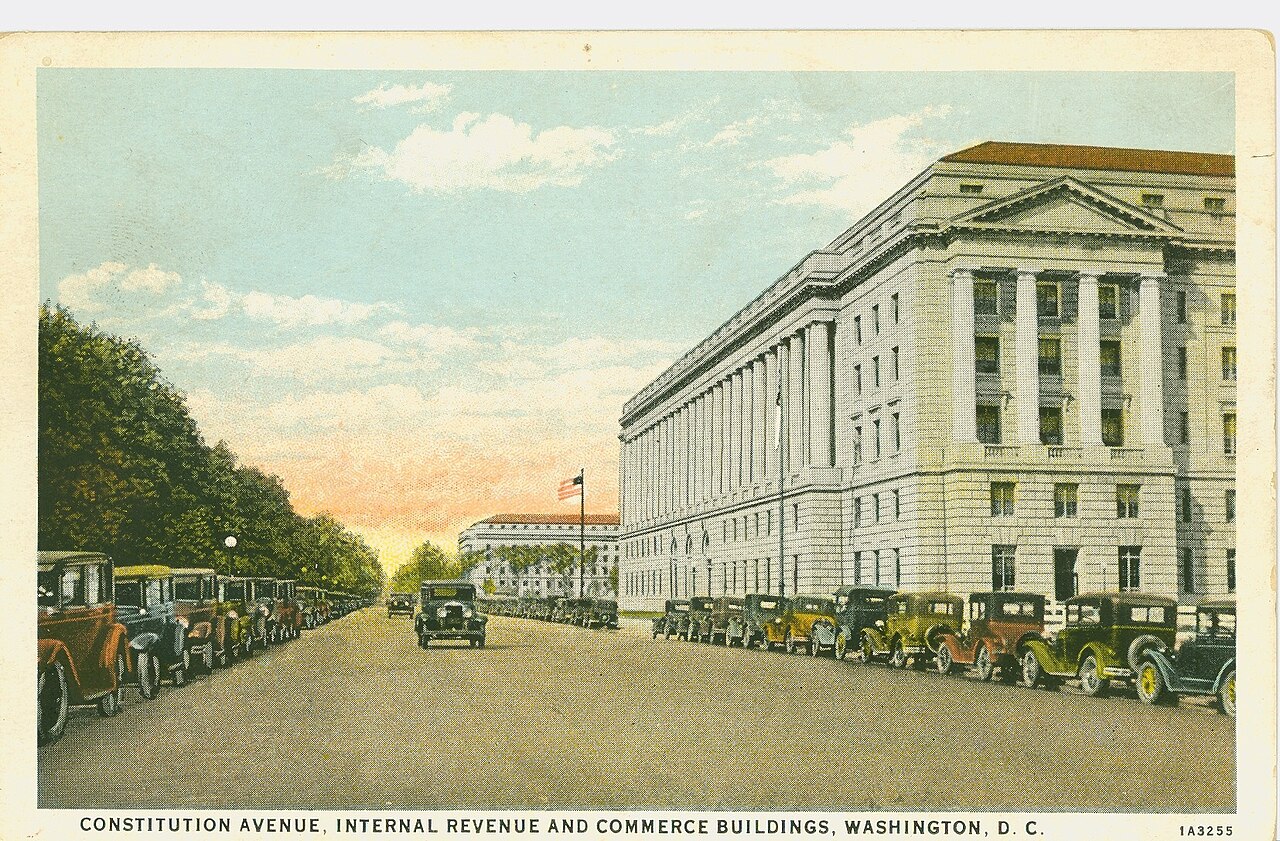
A CP2000 Notice Is Not an Audit: How to Respond
The IRS CP2000 notice proposes changes when your return does not match its records. It is not a bill or an audit. How to agree, dispute, and respond in 30 days.
-
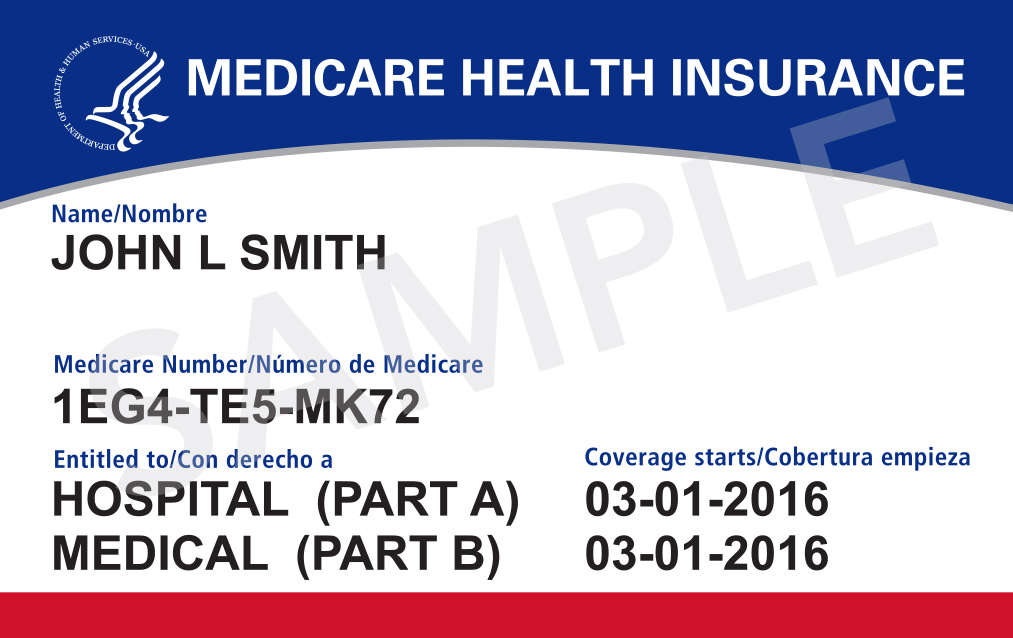
Medicare Savings Programs: State Help With Premiums
Four state-run Medicare Savings Programs can pay your Part B premium and more. The 2026 income and resource limits, what each program covers, and how to apply.
-

Medicare Card Calls: What Real Reps Never Ask For
Callers claiming Medicare needs to send you a new card are after your Medicare number. What real representatives never ask for, and where to report the call.
-
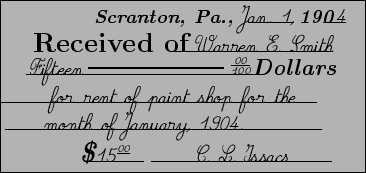
Side Gig Records: What the IRS Expects You to Keep
Driving, freelancing, or selling online? IRS Publication 583 spells out the records to keep, the receipts that back them up, and how long to hold everything.
-
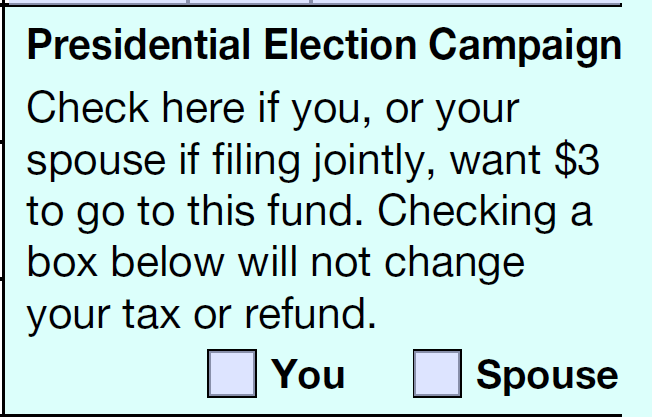
Missed the April Tax Deadline? How Penalties Stack Up
Missed the April 15 deadline? The IRS charges 5% a month for late filing and 0.5% for late paying, plus interest. How the penalties combine and how to cut them.
-

Brokered CDs vs Bank CDs: Five Differences That Matter
Brokered CDs can pay more than the bank down the street, but they trade differently, can be called early, and handle interest and insurance their own way.
-

The Inflation Gauge the Fed Watches Just Updated
The PCE price index rose 0.4 percent in May and is up 4.1 percent over the year. What the Fed’s preferred inflation gauge means for your budget.
-
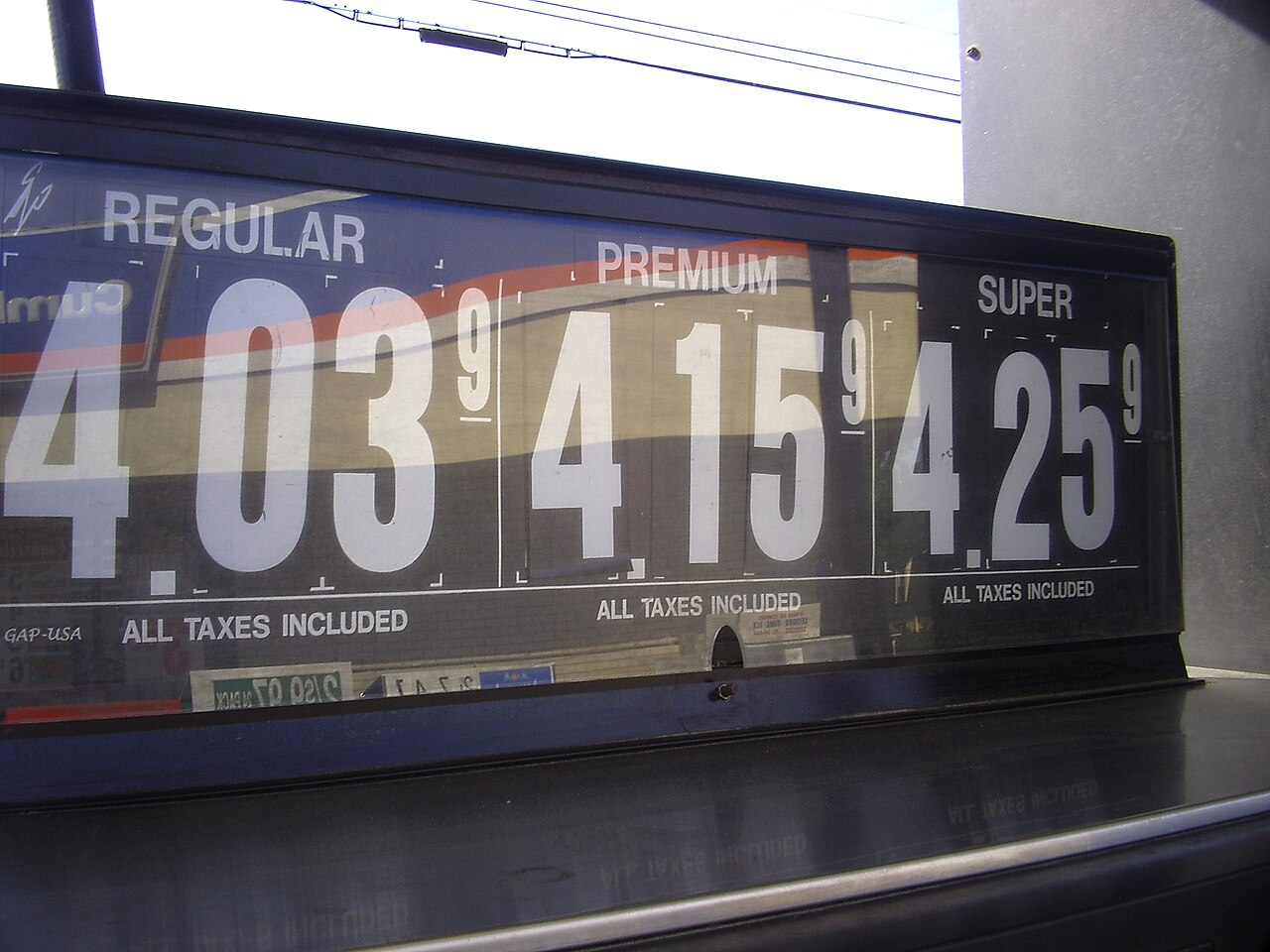
July 4 Road Trips: What Gas Should Cost This Year
Gas averaged $3.91 heading into July 4 week, down from spring but about 70 cents above last year. What drivers should expect on the road.
-

Salary Ranges in Job Ads: Where the Law Requires Them
A dozen states now require pay ranges in job postings. Which states, who is covered, and how to use the numbers even where the law is silent.
-

Freezing a Child’s Credit: Why It Matters and How
A child’s clean credit file is a prize for identity thieves. Federal law lets parents freeze a minor’s credit for free at all three bureaus.
-

Card Company Raising Your Rate? Your 45-Day Warning
Federal law makes card issuers give 45 days’ notice before raising your rate, and gives you the right to reject the increase. How to use it.