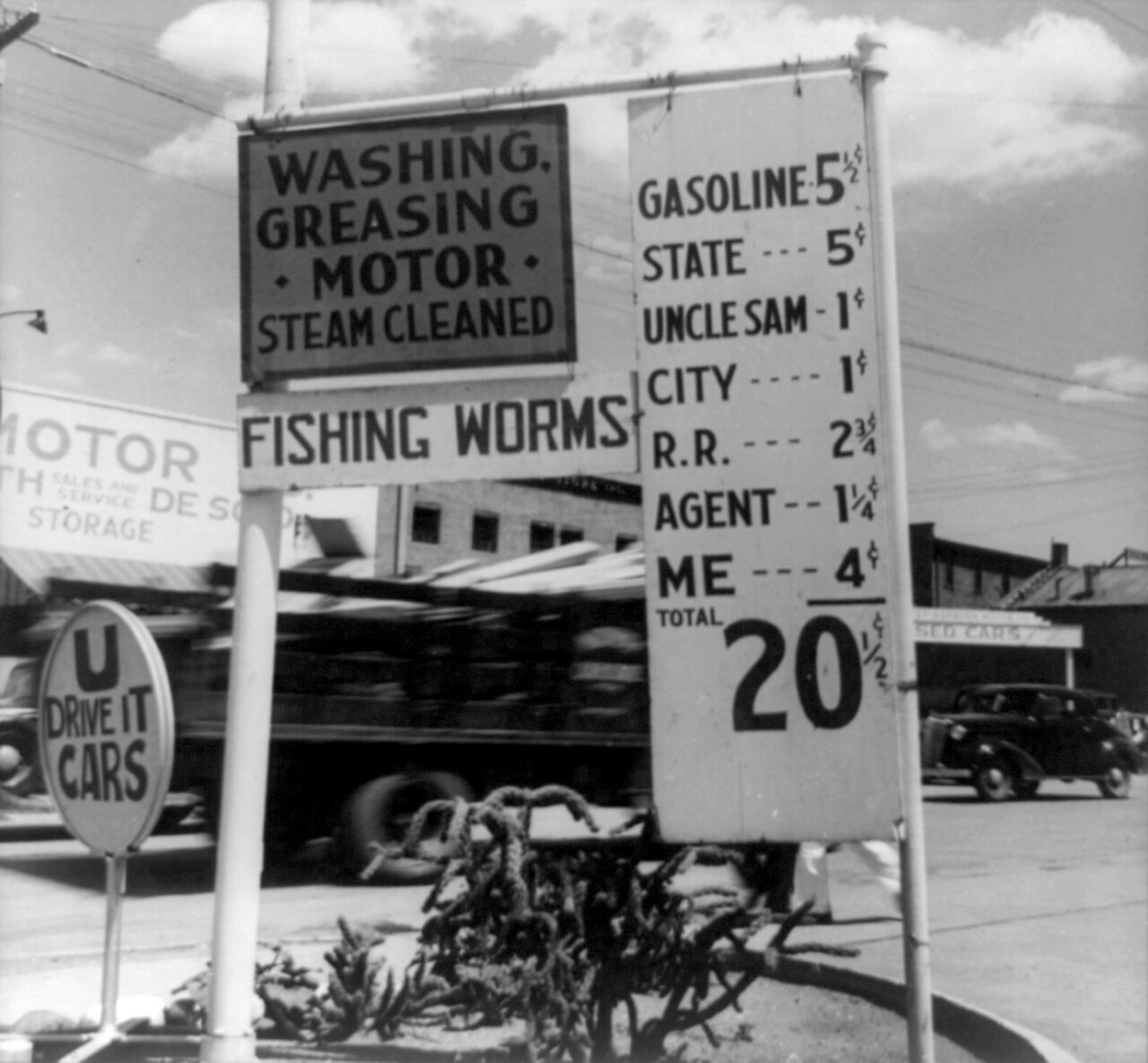
Drivers gassing up for the long Independence Day weekend are looking at a pump price of roughly $3.91 a gallon for regular, the national average in the Energy Information Administration’s latest weekly survey, taken Monday, June 22. That is nearly 14 cents cheaper than a week earlier, and the direction of travel is down. It is also about 70 cents more than drivers paid at this point last year.
Both halves of that sentence matter for anyone planning a road trip. Prices are falling into the holiday, which is good news; they are falling from the highest levels in several years, which is why the fill-up still stings. Here is where prices stand, why this holiday will feel expensive compared with recent memory, and what actually saves money on a long drive.
The picture heading into the holiday
The EIA’s survey put regular gasoline at $3.914 a gallon nationally on June 22, down 13.8 cents on the week. That drop finally pulled the average back below the $4 line after a spring run-up, and if the recent slide continues, holiday drivers may see prices a few cents lower still by the weekend. The agency updates the numbers every Monday, along with regional breakdowns that show the usual spread: the West Coast well above the national figure, the Gulf Coast well below it.
For context on how this compares with recent holidays, AAA’s Independence Day outlook is blunt. In its July 4 travel forecast, released June 17, the motor club notes that gas prices have reached four-year highs, and that last year’s Independence Day national average was $3.15 a gallon. The one consolation in the comparison: prices remain below the 2022 record, when the July 4 average hit $4.80.
A record number of cars will be out there anyway
Higher pump prices are not keeping people home. AAA projects 72.2 million Americans will travel at least 50 miles from home between Saturday, June 27 and Sunday, July 5, topping last year’s record. About 61.4 million of them, some 85 percent, will drive. As AAA puts it, filling the tank is still cheaper than buying plane tickets for a family, even at this year’s prices, with domestic flights averaging about $830 round trip and rental cars running about 10 percent more than last holiday.
All those cars share the road on a schedule, and the schedule is predictable. Transportation data firm INRIX, in the same AAA release, expects the worst congestion on Saturday, July 4 itself between 10 a.m. and 2 p.m., with the best window after 3 p.m., and warns that the days around Thursday, July 2 will be heavy from midday into the evening. Leaving early in the morning remains the most reliable free upgrade in American travel.
What a road trip actually costs at $3.91
Translate the average into trip math and the numbers are more manageable than the sign at the corner suggests. A 600-mile round trip in a car getting 30 miles per gallon burns 20 gallons, about $78 at the current average, roughly $15 more than the same trip last July. A larger SUV at 20 miles per gallon pays about $117 for the same trip. The year-over-year difference is real, but for most itineraries it is the cost of one restaurant meal, not a reason to cancel.
Where you buy matters more than when. The spread between stations along the same corridor routinely exceeds the week-to-week movement of the national average, so a price app or a habit of fueling away from interstate exits pays better than trying to time the market. State lines matter too, since gas taxes differ sharply; drivers crossing between neighboring states can often plan a fill-up on the cheaper side.
The cheapest gallon is the one you do not burn
Driving style is the lever most people ignore. The Department of Energy’s fuel economy site estimates that aggressive driving, the rapid-acceleration-and-hard-braking pattern of highway impatience, can cut fuel economy meaningfully at highway speeds, and that gas mileage typically falls quickly above about 50 miles per hour; its driving-efficiently guidance puts numbers on each habit. Slowing from 75 to 65 on a long interstate leg, using cruise control, and clearing the rooftop cargo box you are not using all show up in the tank.
Basic maintenance rounds it out: properly inflated tires and a healthy engine protect the mileage your car was built to deliver. AAA’s own roadside data makes the reliability case for the same checkup, since batteries and flat tires accounted for a large share of the hundreds of thousands of holiday-week rescue calls it handled last year.
The bottom line for the weekend
Expect to pay just under $4 for regular in most of the country, noticeably more on the West Coast, noticeably less across the Gulf states. Expect it to feel expensive compared with last summer, because it is, by about 70 cents a gallon. And expect the roads, especially on the holiday itself, to be as crowded as they have ever been. The price of gas is set by markets you cannot control; the route, the departure time, the station and the right foot are still yours.

Leave a Reply