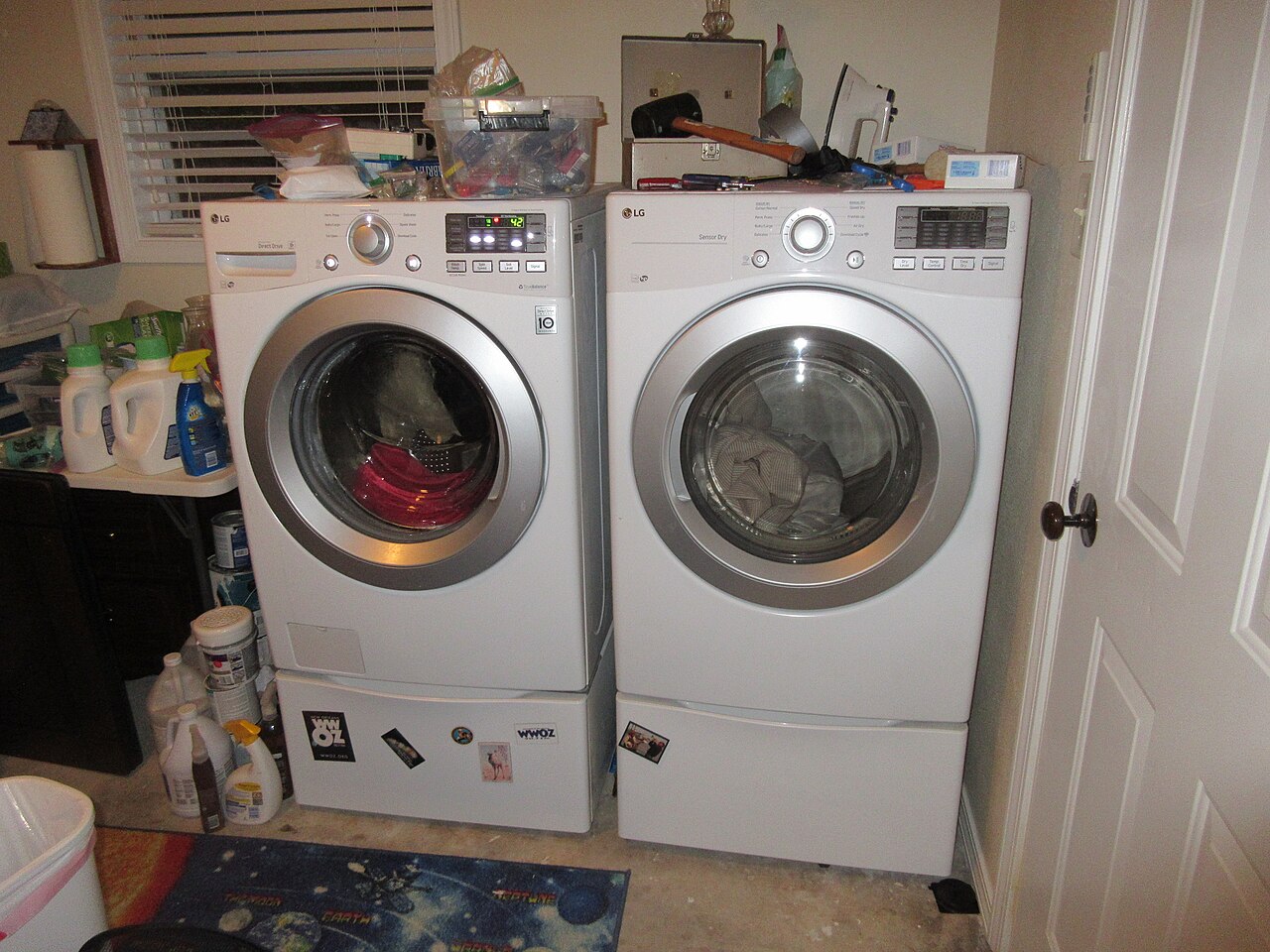
The washing machine quits fourteen months in, you go hunting for the warranty card you never mailed, and the paperwork is long gone. Most people stop there, assume they are out of luck, and start pricing replacements. In many cases that surrender is premature, because the written warranty was never the only promise standing behind the machine.
Every state’s laws create what are called implied warranties, unspoken guarantees that attach to almost everything you buy from a merchant, whether or not a single word about a warranty appears in the box. The Federal Trade Commission’s consumer guidance on warranties spells out how these protections work alongside written ones. Knowing the difference can turn a dead appliance from your problem into the seller’s.
The two promises you get without asking
The first implied warranty is the warranty of merchantability: the seller promises the product will do what that kind of product is supposed to do. A car will run. A toaster will toast. A washing machine will wash clothes. Nobody has to say this out loud for it to be legally binding.
The second is the warranty of fitness for a particular purpose. It kicks in when you rely on a seller’s advice that a product suits a specific job. The FTC’s example: if a salesperson tells you a certain sleeping bag is good for zero-degree weather, the seller has impliedly warranted that it will keep you warm at zero degrees. If it fails at the job you described and the seller recommended it for, the implied warranty has been breached even if the product is otherwise fine.
The registration card myth
Failing to mail a registration card, or losing the warranty booklet, does not erase your rights. Implied warranties exist by operation of state law, not by paperwork. Some written warranties do ask you to return a registration card to qualify for service, so it is worth doing when you buy, but the receipt matters far more. The receipt proves when you bought the item and that you are the original owner. If you shop online, keeping the order confirmation email accomplishes the same thing.
Federal law adds another protection worth knowing here: a manufacturer generally cannot void your coverage because you used third-party parts or an independent repair shop, unless it provides those parts or services free or gets a waiver from the FTC. That rule comes from the Magnuson-Moss Warranty Act, the 1975 federal statute governing consumer warranties, which the FTC explains in its guide to federal warranty law. The same statute requires that written warranties be available for you to read before you buy, in the store or online.
How long implied warranties last
Implied warranties are not forever, but they often outlast the written coverage. Depending on the state, an implied warranty can last as long as four years from purchase. That is why the fourteen-month washing machine failure is worth pursuing even when the manufacturer’s written warranty ran out at twelve months: the implied warranty of merchantability may still be alive, and a machine that dies in its second year of ordinary use has a fair claim to not being merchantable. State rules vary, so check with your state consumer protection office for the period that applies where you live.
There is one big exception. A seller can sometimes disclaim implied warranties by stating in writing that there is no warranty or by selling the item marked “as is,” where state law allows that. Some states do not allow “as is” sales at all. If you bought new merchandise from a regular retailer with no such disclaimer, the implied warranties came with it.
Service contracts are a different animal
The extended warranty pitched at checkout is technically a service contract, sold separately and at extra cost. It is not the warranty that automatically comes with the product, and it frequently overlaps coverage you already have for free, either from the written warranty or from the implied ones. Before paying, read the FTC’s rundown of extended warranties and service contracts and compare what the contract adds to what the law already gives you. Often the honest answer is: not much, for the first year or two.
How to press a claim
Start with the seller, calmly and in writing if the first conversation goes nowhere. Describe the product, the date of purchase, the failure, and what you want: repair, replacement, or refund. If the seller will not resolve it, write to the manufacturer at the address in the warranty documents, and send the letter by certified mail with a return receipt so you can prove it arrived. Companies are generally entitled to a chance to fix the product before refunding your money, so expect a repair offer first.
Two more points strengthen your hand. If you reported the defect during a warranty period and the fix did not hold, the company must still make it right even if the warranty expired while the repair dragged on. And a spoken promise from a salesperson is enforceable in principle but hard to prove, so any time someone offers free repairs or an extra assurance out loud, ask for it in writing before you pay.
When to escalate
If the company stonewalls, file a complaint with your state attorney general or consumer protection office, and report the business to the FTC at ReportFraud.ftc.gov. Small claims court is a realistic option for appliance-sized disputes; implied warranty claims are exactly what it exists for, and you do not need a lawyer. Most cases never get that far. Sellers know the law here better than shoppers do, and a customer who mentions the implied warranty of merchantability, politely and with a receipt in hand, tends to find that the store’s flexibility improves quickly.

Leave a Reply