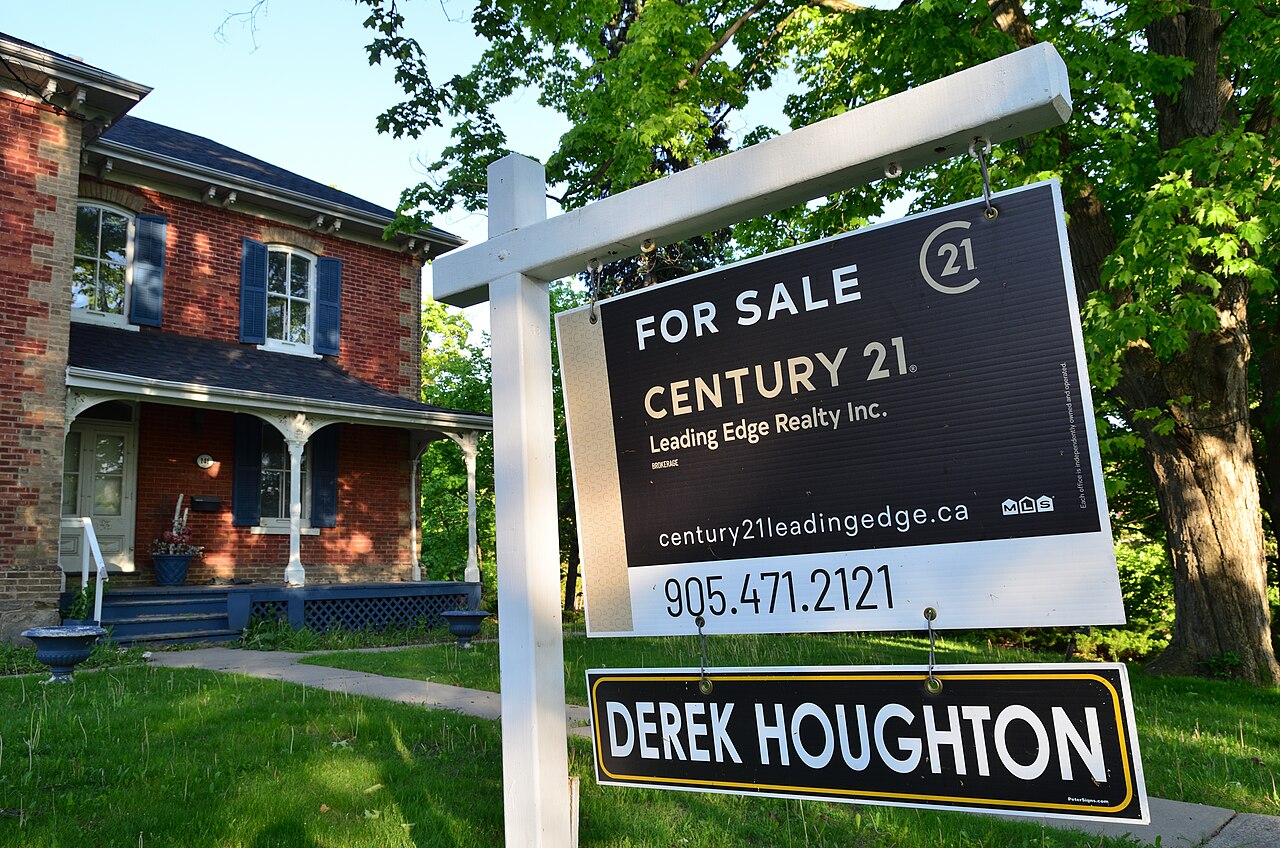
The down payment is the wall. Plenty of renters can carry a monthly mortgage payment that looks a lot like their rent; far fewer can produce tens of thousands of dollars in cash while paying that rent. If that is your situation, the useful news is that a set of long-running government programs exists precisely to lower that wall, and none of them requires a paid middleman to reach.
The less useful news is that the same phrase, “first-time buyer program,” is also a favorite of marketers selling seminar seats and of outright scammers charging fees for free things. This piece sticks to the programs with a government agency behind them, what each actually does, and where the free help lives.
FHA loans: the low-down-payment workhorse
The Federal Housing Administration does not lend money itself; it insures loans made by regular lenders, which lets those lenders accept smaller down payments and more forgiving credit than a conventional loan typically requires. With an FHA-insured loan, the down payment can be as low as 3.5 percent of the purchase price. On a $250,000 house, that is $8,750 rather than the $50,000 a twenty-percent-down convention would demand.
The trade-off is mortgage insurance: FHA borrowers pay an upfront premium plus an ongoing monthly one, which protects the lender, not you. FHA loans also come with property standards and loan limits that vary by county. They are not reserved for first-time buyers, but they are the de facto first-rung loan for millions of them.
VA and USDA: zero down for those who qualify
Two federal programs go further and can eliminate the down payment entirely. Current service members, many veterans, and some surviving spouses can use a VA-backed home loan, which typically requires no down payment and no monthly mortgage insurance, though most borrowers pay a one-time funding fee. If you have ever served, checking your VA loan eligibility should be step one, because the terms are hard to beat anywhere else.
Less famous is the Department of Agriculture’s single family housing loan programs for homes in eligible rural and some suburban-edge areas. The guaranteed version works through private lenders with no down payment required for qualifying moderate-income buyers; a direct version serves lower incomes. The eligibility maps cover more territory than the word “rural” suggests, so it costs nothing to check an address you are considering.
State housing agencies: the help hiding in plain sight
Every state runs a housing finance agency, and these agencies are where much of the practical first-time buyer money lives: below-market interest rates, down payment assistance structured as grants, forgivable loans, or deferred second loans, and programs aimed at teachers, nurses, and other public workers. Terms, income limits, and purchase price caps vary by state and change over time, so the reliable move is to go straight to your own state agency’s website and read the current program sheets. HUD maintains state and local homebuying resources that point you to the agency and programs for your state.
Local governments layer on more: many cities and counties run their own down payment assistance for buyers under local income limits. These funds frequently require a homebuyer education class, which is a feature rather than a hurdle, since the classes are inexpensive and cover the closing process, budgeting, and maintenance realities.
Free expert help: HUD-approved counselors
If sorting all this feels like a second job, there is a person whose actual job is to sort it for you. HUD sponsors a nationwide network of approved housing counseling agencies that offer free or low-cost advice on buying, credit repair, and which programs fit your finances. You can find a HUD-approved counselor online or by calling 800-569-4287. A single session before you start shopping can surface assistance programs you would never have found and flag problems in your credit file while there is still time to fix them.
How to spot the fakes
The real programs share two traits: they work through government agencies or approved lenders and counselors, and nobody demands a big upfront fee to “unlock” them. Be skeptical of anyone charging hundreds of dollars for access to grant lists, guaranteeing approval regardless of credit, pressuring you to sign today, or asking you to send money to reserve assistance. Program information from HUD, VA, USDA, and your state agency is free, and legitimate counseling costs little or nothing.
Be equally wary of stretching into a house because assistance made the door open a crack. A program that covers your down payment does not change the roof’s age or the property tax bill. Get the free counseling, compare at least three loan offers, and let the program money shorten your timeline rather than inflate your price range. The wall is real, but the ladders over it are too, and the good ones are free to climb.

Leave a Reply