Pull out your most recent electric bill and count the line items. Depending on where you live, you may find a dozen or more: an energy charge, a delivery charge, a customer charge, a fuel adjustment, a handful of riders with names nobody outside the utility understands, and a layer of taxes on top. The kilowatt-hours you actually used are only one piece of the total.
Understanding what each charge pays for matters for a practical reason. Some parts of your bill respond to how much electricity you use, some respond to which supplier or rate plan you choose, and some do not move no matter what you do. Knowing which is which tells you where your effort can actually save money.
The two halves: supply and delivery
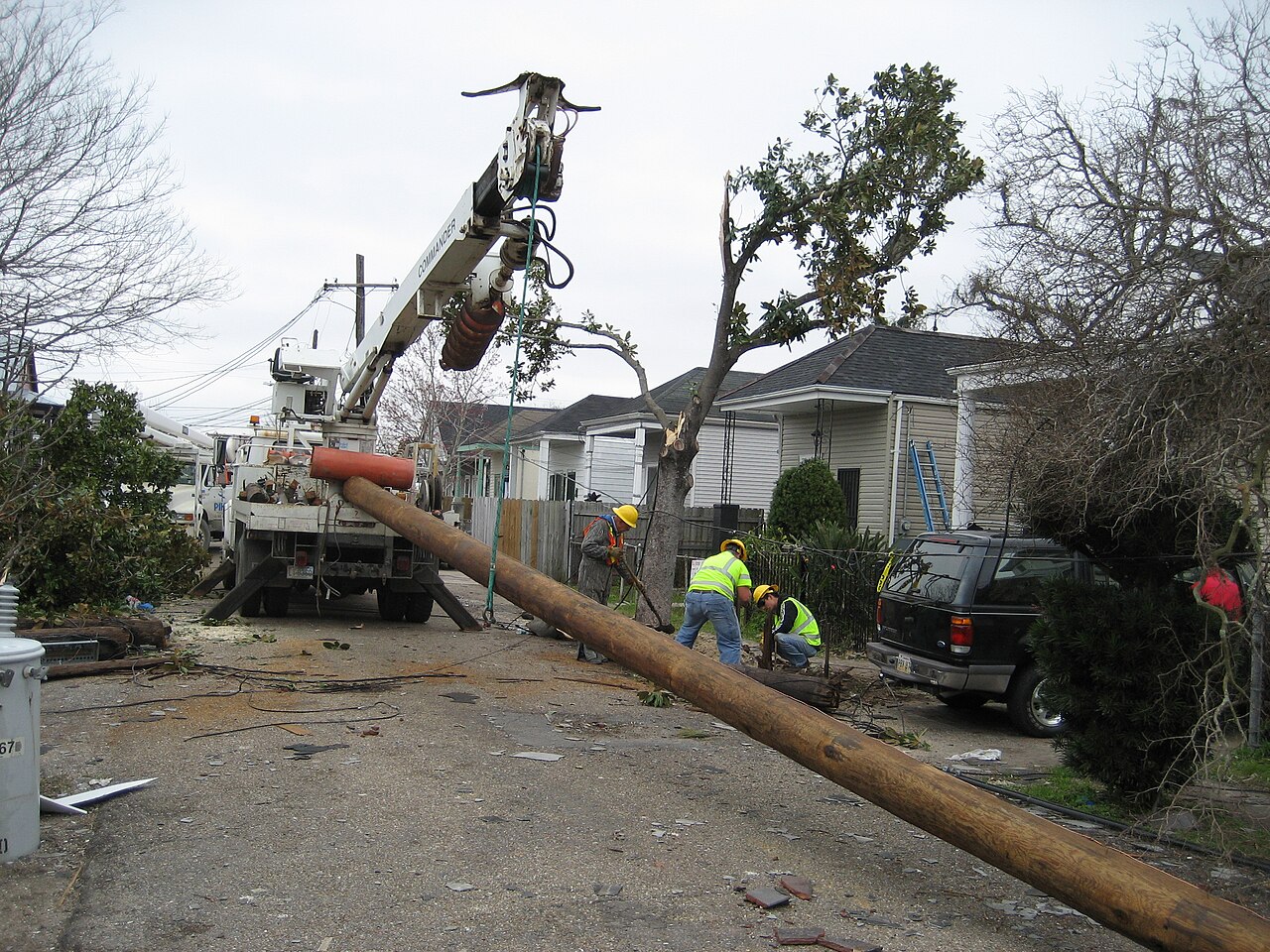
Nearly every electric bill in the country boils down to two big buckets. The supply portion, sometimes labeled generation or energy, pays for producing the electricity itself at power plants. The delivery portion, sometimes labeled distribution or transmission, pays for getting that electricity to your house: the high-voltage lines, the substations, the poles and wires on your street, and the crews who fix them after storms. The U.S. Energy Information Administration explains the pieces in its plain-language guide to electricity prices, and it notes that generation has historically made up the largest share of the price, with transmission and distribution accounting for the rest.
In states with retail choice, you can shop among competing suppliers for the supply half, but the delivery half always comes from your local utility at rates set by state regulators. In traditionally regulated states, one utility handles both halves and the state commission approves the whole rate. Either way, the split is worth finding on your bill, because supply is usually the part that varies most with market conditions.
The energy charge: your usage times a rate
The core of the bill is simple multiplication: kilowatt-hours used times a rate per kilowatt-hour. A kilowatt-hour is the energy it takes to run a 1,000-watt appliance for one hour, so a window air conditioner drawing that much power for four hours a day adds about 120 kilowatt-hours over a month. Your meter records the total, and the delivery system EIA describes moves it from the grid to your outlets.
Watch for two wrinkles. Some utilities use tiered rates, where the price per kilowatt-hour rises after you pass a monthly threshold, which means heavy summer use gets billed at the more expensive tier. Others offer time-of-use plans, where electricity costs more on summer afternoons and less overnight. If your bill shows different rates for on-peak and off-peak hours, shifting laundry and dishwashing to the evening genuinely changes what you pay.
The customer charge: the fee for existing
Most bills include a flat monthly customer charge, sometimes called a basic service or meter charge. It covers the fixed costs of your account: the meter, the billing system, the service line to your home. It is typically a modest fixed amount each month, and it is the one charge you cannot reduce by using less electricity. If you own a rarely used property, such as a cabin, this charge is why the bill never falls to zero.
Riders, adjustments and trackers
Below the main charges come the small print items: fuel or purchased-power adjustments, storm recovery charges, energy efficiency program charges, renewable program riders, and similar trackers. Each one recovers a specific cost the state commission has allowed the utility to pass through. The fuel adjustment is the most consequential, because it moves your bill up or down as the utility’s own cost of natural gas and purchased power changes, without a full rate case. When customers see a bill jump in a month when their usage barely changed, a fuel or supply adjustment is often the reason.
Taxes and franchise fees sit at the bottom. These vary by state and city, and like the customer charge, they are not something you can shop your way out of.
Where you actually have leverage
Once you see the structure, the levers become clear. Usage-based charges respond to efficiency: sealing air leaks, setting the thermostat a few degrees higher in summer, and replacing the oldest, hungriest appliances. The Department of Energy’s Energy Saver program publishes free, room-by-room guidance on which changes cut the most usage for the least money. Rate-plan charges respond to shopping: if your state allows supplier choice or your utility offers time-of-use pricing, compare the rate you are paying against the alternatives once a year, and read the contract terms for teaser rates that reset after a few months.
Fixed charges and riders respond only to policy, which is why they are worth watching but not worth agonizing over. If a new line item appears, your utility’s website will usually have a filing or fact sheet explaining it, and your state utility commission’s consumer office can answer questions about whether it was approved.
If the bill is more than you can pay
Help exists, and it is underused. The federal Low Income Home Energy Assistance Program, run through the states, helps eligible households pay heating and cooling bills, and summer cooling assistance is available in many states. You can find your state’s program through the LIHEAP page at the Department of Health and Human Services. Utilities also commonly offer budget billing, which spreads seasonal spikes into even monthly payments, and payment plans for past-due balances. Calling before a bill goes delinquent almost always produces better options than calling after.
The next time the bill arrives, spend five minutes matching each line to one of these categories: supply, delivery, fixed charge, rider, or tax. Once you can name every charge, you will know exactly which ones your habits can shrink, which ones your shopping can shrink, and which ones are simply the price of being connected to the grid.

Leave a Reply