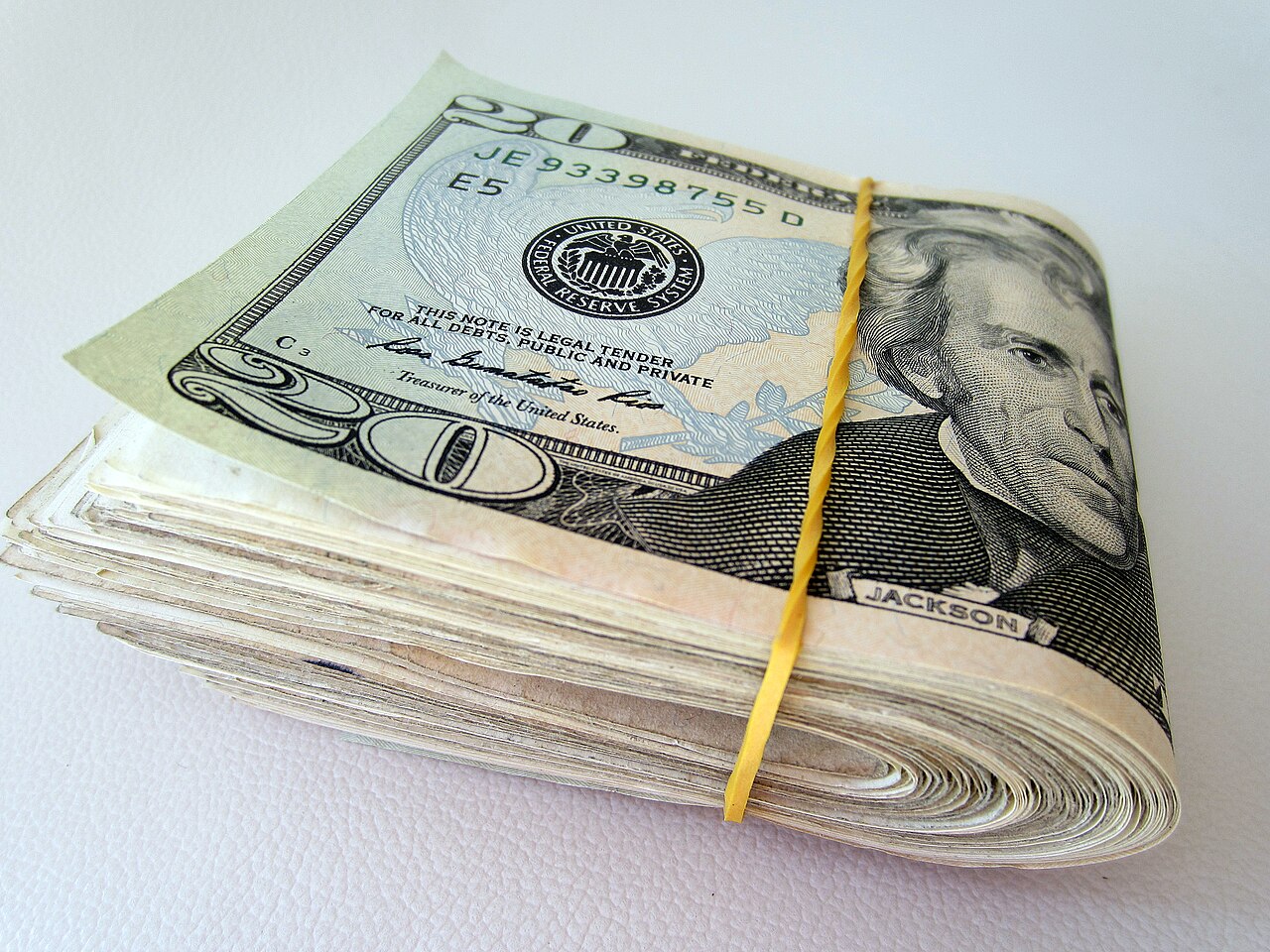
The average American savings account pays 0.38 percent a year, according to the FDIC’s June 2026 national rate data. On a $10,000 emergency fund, that is $38 a year. Meanwhile, accounts advertising themselves as high-yield routinely pay eight to ten times as much for the identical product: a federally insured savings account.
The gap is not a gimmick and it is not compensation for hidden risk, but it does have specific causes, and understanding them tells you exactly what to check before moving your money. Here is what makes a high-yield rate high, what the APY label actually measures, and the short due-diligence list that separates a good account from a good advertisement.
Where the extra yield comes from
Banks make money by gathering deposits and lending them out at higher rates. What they pay you is a cost of doing business, and different banks carry very different costs. A branch network, tellers, and prime real estate are expensive; online-only banks skip nearly all of it and can hand part of the savings back as interest. They also tend to be hungrier: a bank trying to grow its deposit base competes on rate because that is the lever it has, while a big-branch bank with millions of customers who never shop around feels little pressure to pay more than the national average it helped create.
That average, published monthly by the FDIC, is weighted by deposits, which is why it sits so low: an enormous share of American savings sits at large institutions paying well under 1 percent. Nothing about a higher rate at a leaner bank implies extra risk to you, provided the insurance box is checked, which we will get to.
APY, compounding, and the fine print of “up to”
The number that matters is APY, annual percentage yield, which folds compounding into a single comparable figure; federal truth-in-savings rules require banks to state it, so compare APY to APY, never a plain rate to an APY. Savings rates are also variable, meaning the bank can change them at will. They generally track the Federal Reserve’s short-term rate decisions, which is why yields have drifted with the Fed’s moves this year; the Fed’s own meeting calendar is, in effect, the schedule of dates your savings rate might move.
Watch for conditional rates. Some advertised numbers apply only up to a balance cap, only with monthly deposits, or only for an introductory period. A slightly lower unconditional APY frequently beats a flashy conditional one for real-world balances.
The insurance check that takes two minutes
A high-yield account is only as good as the insurance behind it. Deposits at FDIC-member banks are covered up to $250,000 per depositor, per bank, per ownership category, under the rules explained at the FDIC’s deposit insurance center. Before opening an account, confirm the institution itself is an insured bank using the FDIC’s BankFind tool. Credit unions offer the same protection through the National Credit Union Administration’s share insurance fund, checkable at MyCreditUnion.gov, and high-yield accounts from credit unions deserve the same look.
The two minutes matter most with financial technology apps that offer savings-like products but are not banks themselves. Many park customer money at partner banks, where insurance can depend on how records are kept and what happens if the middleman fails. The clean version of this arrangement exists, but so do messy ones. When in doubt, the simplest fix is opening the account directly at an insured bank whose name you can verify in BankFind.
What the difference is worth in dollars
Take a $15,000 emergency fund. At the 0.38 percent national average, it earns about $57 a year. At 3.5 percent, roughly where competitive online savings APYs have sat this year, it earns about $525. Over five years, with compounding, the gap grows past $2,400, for zero additional risk and perhaps twenty minutes of setup. There are few other places in personal finance where the reward-to-effort ratio is that lopsided.
For money you will not need on short notice, compare savings APYs against certificates of deposit too; the FDIC’s same monthly table shows the national picture, with 12-month CDs averaging 1.65 percent in June 2026 and competitive banks paying multiples of that. But the emergency fund itself belongs somewhere liquid, which is precisely what a high-yield savings account is for.
A short checklist before you switch
Confirm FDIC or NCUA insurance directly in BankFind or MyCreditUnion.gov. Compare unconditional APYs on the balance you actually hold. Read the fee schedule for monthly maintenance charges, which a good savings account should not have, and check minimum-balance rules. Look at transfer speed to your checking account, since an emergency fund you cannot reach for three days is less useful. Then move the money and set a calendar reminder to recheck your rate twice a year, because banks count on inertia, and the entire high-yield category exists for savers who refuse to supply it.

Leave a Reply