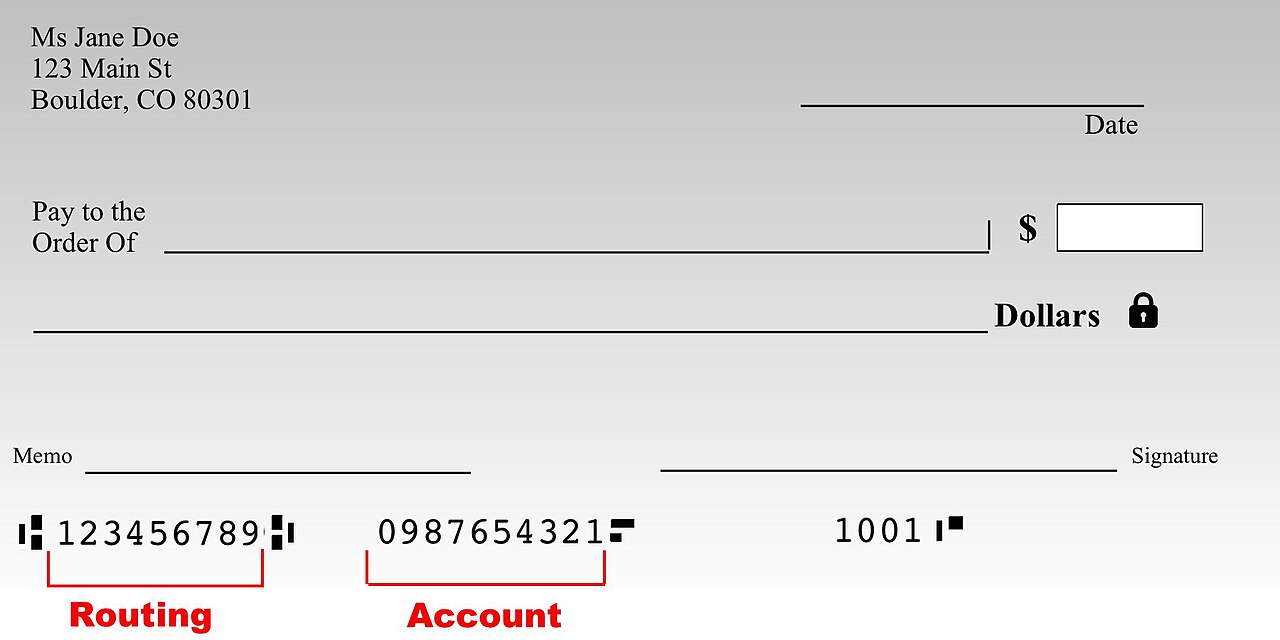
Your new landlord wants the security deposit, but not by personal check and not through a payment app. A car seller wants guaranteed funds before handing over the title. In both cases you need paper that cannot bounce, and you have two main choices: a money order or a cashier’s check. They solve the same problem at very different sizes and prices.
Both are prepaid, which is why the people receiving them like them. You hand over the money first, so the instrument is backed by funds that already exist rather than by a promise that your checking account will cover it. The practical differences come down to dollar limits, cost, where you buy them, and what happens if one goes missing. Here is how to choose.
Money orders: small amounts, small fees
A money order is the right tool for amounts up to about a thousand dollars: rent, a deposit, a payment to someone who cannot take cash. The Postal Service, the best-known issuer, caps domestic money orders at $1,000 apiece and charges $2.55 for amounts up to $500 and $3.60 up to the $1,000 maximum. You pay with cash or a debit card, not a credit card, and postal money orders never expire.
Supermarkets, drugstores, and money transfer counters sell money orders too, often for around a dollar or two, though their per-item caps are frequently lower. Wherever you buy, fill in the payee immediately. A blank money order is as good as cash to whoever finds it.
Two features make postal money orders reassuring for both sides. The recipient can cash one free at any Post Office, and if yours is lost or stolen, you can request a replacement using your receipt, though USPS notes the investigation can take time and charges a processing fee, currently $21, for a lost or stolen one. Keep that receipt until you know the payment arrived.
Cashier’s checks: the heavyweight option
A cashier’s check is issued by a bank or credit union and drawn on the institution’s own funds rather than your account. A teller moves the money out of your account (or takes your cash) first, then the bank itself signs a check payable to your payee. Because the bank stands behind it, there is no practical dollar cap, which is why closings, car purchases, and other large transactions often require one. Banks set their own fees, typically around ten to fifteen dollars, and some waive the charge for customers with premium accounts.
Cashier’s checks also clear quickly for the recipient. Under federal funds availability rules, a cashier’s check deposited in person at the teller window generally must be made available by the next business day, though a bank can hold amounts above a regulatory threshold on very large deposits for a few extra days.
The trade-offs nobody mentions at the counter
The guarantee cuts both ways. Because a cashier’s check is the bank’s own obligation, you generally cannot stop payment on one the way you can on a personal check. If a deal goes sour after you have handed the check over, the money is, for most purposes, gone unless the payee returns it.
Losing one is worse. Banks typically require you to buy an indemnity bond, a kind of insurance policy that puts you on the hook if the original check surfaces, and may make you wait 30 to 90 days before issuing a replacement. Treat a cashier’s check like the near-cash instrument it is: buy it close to when you need it and deliver it promptly.
A quick decision guide
Use a money order when the amount is under $1,000, you want the cheapest option, or you are paying someone who prefers a simple instrument they can cash at a Post Office or bank. Use a cashier’s check when the amount is larger, the recipient specifically requires bank-guaranteed funds, or next-day availability matters to the deal. For amounts just over $1,000, buying two money orders is allowed and sometimes cheaper, but many landlords and sellers will ask for a single cashier’s check instead.
The scam angle: paper that looks guaranteed is not proof of payment
One warning applies to both instruments, and it matters most when you are the one receiving payment. Counterfeit cashier’s checks and money orders are a staple of overpayment scams: a buyer sends a check for more than the price and asks you to send back the difference, and weeks later the check proves fake and your bank reclaims the money. Quick availability of funds does not mean a check has cleared. If you receive a cashier’s check from someone you do not know, call the issuing bank at a number you look up yourself, not one printed on the check, and verify it before spending a dollar of it. The FTC’s fake check guidance covers the pattern in detail. Postal money orders can be verified through USPS’s online status tool or its verification line.
Neither instrument is exotic, and that is the appeal. For a few dollars, both replace “trust me” with “the money is already there.” Match the tool to the size of the payment, keep your receipt, and verify anything you receive from a stranger before you count it as paid.

Leave a Reply