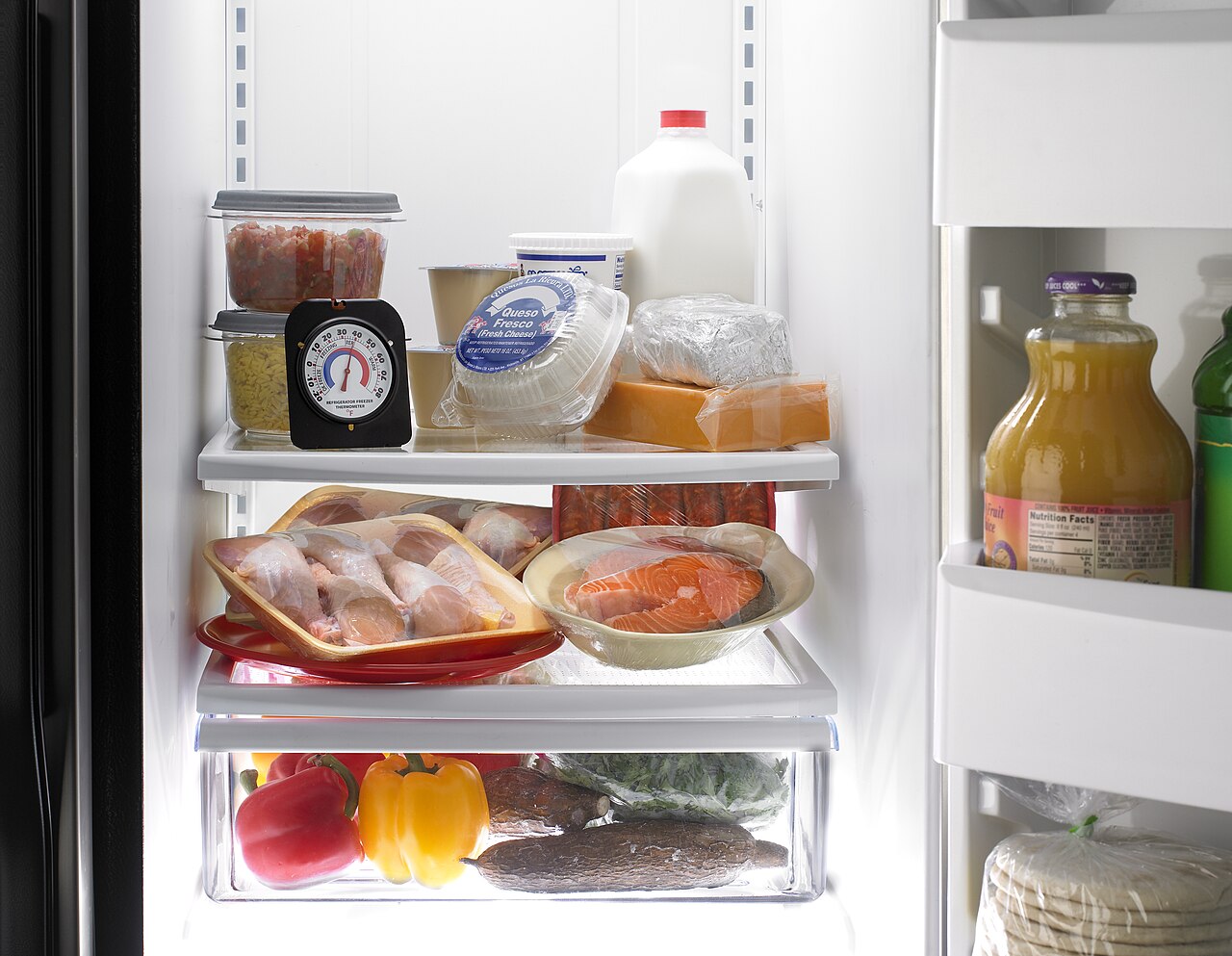
A recall headline names the brand of chicken you bought last week, and now the package is sitting in your refrigerator while you decide what to do with it. The answer is more specific than “when in doubt, throw it out.” Recalled food comes with instructions, and following them usually gets your money back.
Two federal agencies split the food supply. The Agriculture Department’s Food Safety and Inspection Service covers meat, poultry, and processed egg products; the Food and Drug Administration covers essentially everything else, from lettuce to peanut butter to pet food. Both post every recall publicly, and both build their notices around the same consumer question: is the thing in your kitchen the thing being recalled?
First, match your package to the notice
Recall announcements are written to be checked against a label. As FSIS explains in its guide to understanding food recalls, each release lists the product names, package sizes, lot codes, “best by” or “use by” dates, and pictures of the labels, precisely so you can compare. Meat and poultry packages also carry an establishment number inside the USDA inspection mark, such as “EST. 123” or “P-456” for poultry plants, and recall notices cite it. If the establishment number, lot code, or date on your package does not match the notice, your food is not part of the recall, even if the brand name is the same.
Current recalls are searchable on the FSIS recall page for meat and poultry and the FDA’s recalls and safety alerts page for everything else. The government’s combined portal at FoodSafety.gov gathers both streams and offers email alerts, which beats relying on the evening news to mention the exact brand you buy.
Return or toss: what the notice tells you
Once you have a match, do not eat the product, and do not taste it to check. Cooking is not a workaround you should rely on, and for contaminants like Listeria the hazard survives casual kitchen handling.
The recall release will say what to do next, and it is almost always one of two options: return the product to the store where you bought it for a refund, or throw it away. Retailers honor recall refunds routinely, typically without a receipt, because the manufacturer reimburses them. If you would rather not drive a package of suspect chicken back across town, discarding it is always acceptable; seal it in a bag so that people, wildlife, and pets cannot get at it. Some notices, particularly for products linked to serious illness, tell you specifically to double-bag before discarding. A photo of the label before it goes in the trash preserves your ability to ask the manufacturer for a refund by mail, an option many companies offer through the contact number printed in the recall release.
Why some recalls sound scarier than others
Recalls are classified by risk. A Class I recall means there is a reasonable probability that eating the product will cause serious health consequences or death, the category for pathogens like E. coli O157:H7 in ground beef or undeclared allergens. Class II covers remote probability of harm, and Class III covers labeling problems and other violations unlikely to hurt anyone. For Class I recalls, FSIS also publishes lists of the retail stores that received the product, which is worth checking when you cannot remember where you bought something.
Nearly all recalls are voluntary actions by the company, but that word carries less comfort than it seems to. Federal agencies can detain product, and for meat and poultry the government can pursue seizure through the courts if a firm refuses to act, so “voluntary” describes the paperwork, not the seriousness.
Clean up after the product leaves
Removing the package is step one; the shelf it sat on is step two. Wash the refrigerator drawer or shelf with hot, soapy water, then sanitize with a diluted bleach solution, and wash your hands, cutting boards, and any counters the product touched. This matters most in Listeria recalls, because that organism grows at refrigerator temperatures and transfers readily from packaging to surfaces to other foods.
If you already ate it
Most people who ate a recalled product will be fine, and the notice will say what symptoms to watch for and over what window, which for some illnesses can stretch weeks. If symptoms develop, call your doctor and mention the specific product, since that detail changes what a clinician tests for. Then report it: FSIS runs the USDA Meat and Poultry Hotline at 1-888-674-6854 and an online problem-report portal, and the FDA takes consumer complaints through its district offices and MedWatch system. Consumer reports are one of the main ways outbreaks get detected, so the phone call helps the next family as much as yours.
The whole routine, match the label, follow the notice, claim the refund, sanitize the shelf, takes fifteen minutes. It is a small price for turning a national headline back into an ordinary grocery errand.

Leave a Reply