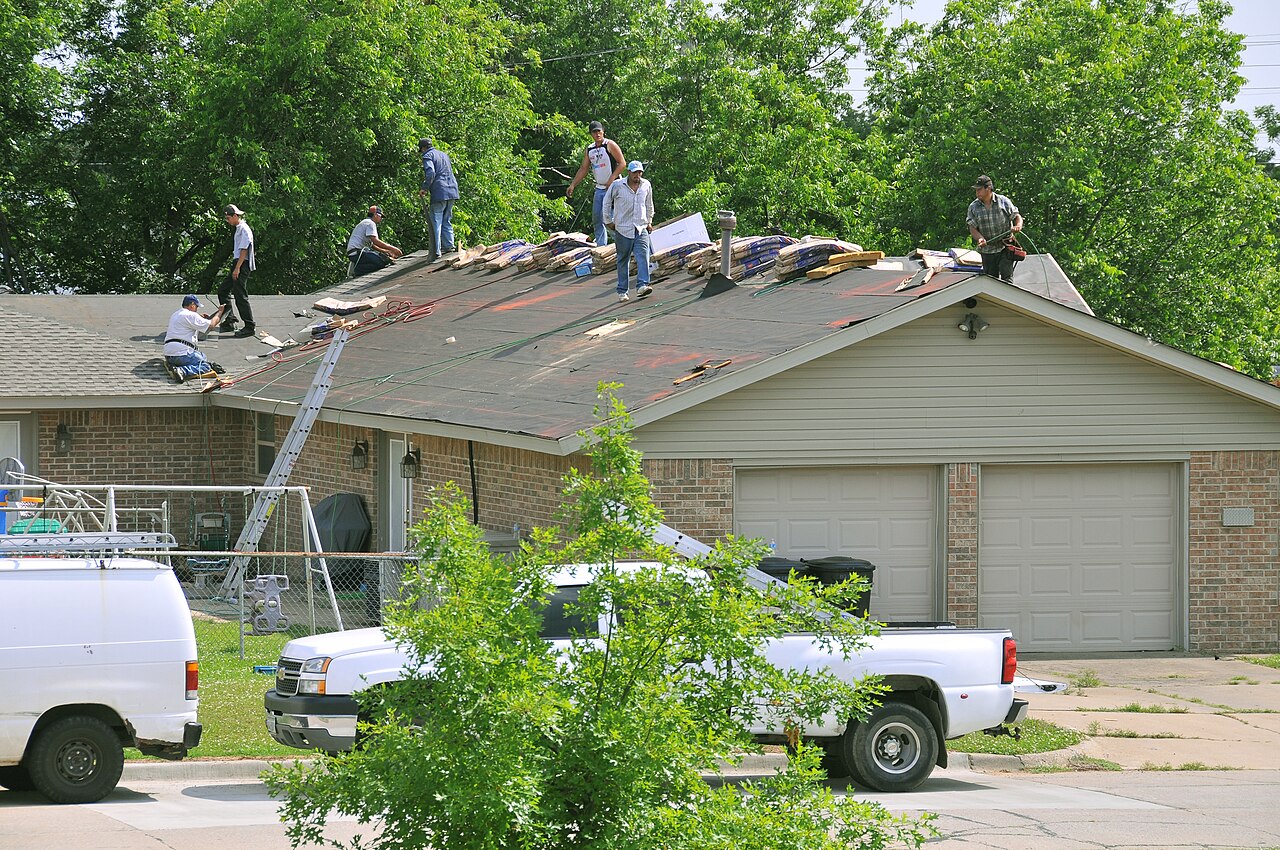
Two neighbors lose the same kind of roof in the same summer hailstorm. One insurer pays to install a new roof, minus the deductible. The other pays roughly half that, and the homeowner covers the rest out of pocket. Same storm, same shingles, same premium-paying customers. The difference was three words buried in the policy: actual cash value.
Whether your homeowners or renters policy pays claims at replacement cost or at actual cash value is one of the most financially consequential lines in the contract, and it is checkable in five minutes on your declarations page. Here is how the two settlement methods work, where insurers have been quietly shifting coverage, and what to look for before the next storm rather than after it.
The two ways a claim can be valued
Replacement cost coverage pays what it costs to repair or replace damaged property with new material of similar kind and quality, without subtracting for age or wear. Actual cash value coverage starts from that same replacement figure and then deducts depreciation, based on the item’s age, condition, and expected useful life, as the National Association of Insurance Commissioners explains in its consumer guide to the two coverage types.
The math is straightforward and unforgiving. Suppose a new roof costs $16,000 and roofs like yours are expected to last 20 years. If yours was 10 years old, an actual cash value settlement starts by removing roughly half the value: about $8,000, minus your deductible. A replacement cost settlement pays the full $16,000 minus the deductible. Insurers usually calculate depreciation item by item, considering the property’s condition at the time of loss, what a new one costs, and how long that kind of property normally lasts.
Where the fine print bites: roofs
The roof is where this distinction has moved most in recent years. In hail- and wind-prone regions, insurers have increasingly attached roof payment schedules or endorsements that settle wind and hail roof claims at actual cash value even when the rest of the dwelling is covered at replacement cost, a shift the NAIC flagged in its guidance on roof claims after storms. An aging roof under one of these schedules can be worth only a fraction of its replacement price on paper, which homeowners often learn at the worst possible moment.
If your roof is past the midpoint of its expected life, this is the single most important question to ask your agent at renewal: is wind and hail damage to the roof settled at replacement cost or actual cash value, and is there a separate roof deductible?
Recoverable depreciation, the two-check system
Even with replacement cost coverage, many insurers pay in two steps. The first check is the actual cash value amount. The remainder, called recoverable depreciation, is paid after you actually complete the repairs or replacement and submit receipts, usually within a time limit written into the policy. Homeowners who pocket the first check and delay repairs can forfeit the second payment entirely, so read the deadline and keep every contractor invoice.
Contents follow their own rule
The structure and the stuff inside it are often valued differently. Plenty of policies cover the dwelling at replacement cost while covering personal property, the furniture, clothes, and electronics, at actual cash value unless you bought an endorsement upgrading contents to replacement cost. As North Carolina’s Department of Insurance notes in its consumer explainer, an ACV settlement on contents pays today’s garage-sale value, not the store price, for a six-year-old sofa or television.
The contents upgrade typically costs modestly more in premium and pays for itself in the first significant claim. It also pairs naturally with a home inventory: a ten-minute video walkthrough of every room, stored somewhere outside the house, turns a contents claim from an argument into a checklist.
Five minutes with your declarations page
You do not need to read the whole policy to find out where you stand. On the declarations page and endorsement list, look for four things. First, whether the dwelling is covered at replacement cost, and whether any endorsement changes that for the roof specifically. Second, how personal property is settled, ACV or replacement cost. Third, the deductibles, including any separate percentage deductible for wind and hail. Fourth, any time limit for claiming recoverable depreciation after a loss.
Why do people carry ACV coverage at all? It is cheaper, because the insurer takes on less risk, and for some older homes or tight budgets it is the only affordable option; the NAIC guide is candid that ACV coverage frequently pays too little to fully replace what was lost. That can be a rational trade, but only when it is chosen, not discovered. If a storm took your roof tomorrow, you should already know which of the two neighbors in the opening paragraph you would be. If you are not sure, the declarations page, or one call to your agent with the questions above, settles it before the weather does.

Leave a Reply