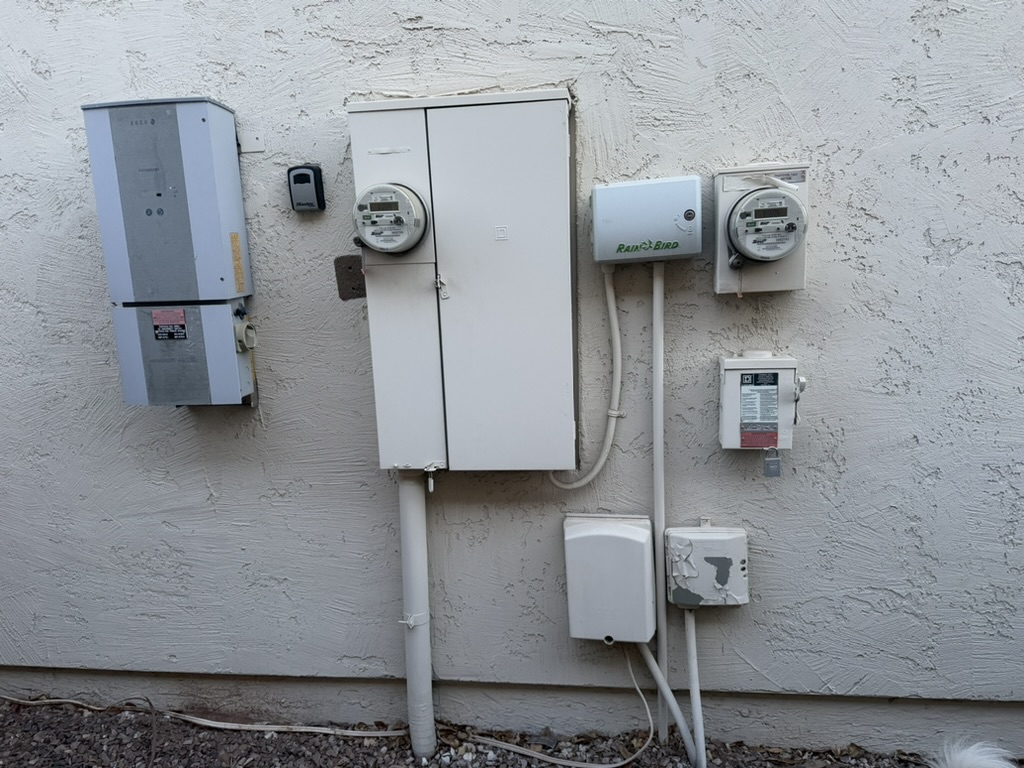
A shutoff notice in the mail is frightening, but it is not the end of the story. In every state, a regulated utility cannot simply flip the switch on a past-due household. It must follow rules written by the state’s public utility commission: advance notice, offers of payment arrangements, and special protections for medical conditions, the dead of winter, and in a growing number of states, dangerous summer heat.
Those protections only help people who use them, and most of them work far better before the disconnection date than after. With summer bills starting to climb, here is what the rules generally require, what one state’s playbook looks like in detail, and the calls to make this week if you are behind.
The utility has to warn you, in writing, first
Disconnection rules live at the state level, so specifics vary, but the architecture is consistent: written notice days or weeks ahead of any shutoff, often a required attempt to contact you closer to the date, and restrictions on when service can be cut, commonly no disconnections on Fridays, weekends, or holidays, when the customer cannot reach anyone to restore it.
Pennsylvania is a useful example because its commission publishes the whole framework in plain language. Under the rules summarized in the Pennsylvania Public Utility Commission’s guide, Protections for Responsible Utility Customers, a regulated utility must give written notice before terminating service and attempt to reach the household again shortly before the shutoff date. A notice is a legal step in a process, not the shutoff itself, and the window it opens is your negotiating time.
Payment arrangements: the tool most people skip
Every state’s framework pushes toward the same outcome regulators prefer: a payment arrangement that spreads the past-due balance over months while you keep current service. Utilities in Pennsylvania, for instance, must inform customers about arrangement options and universal-service programs before terminating, and the state commission itself can set payment terms for income-eligible households.
Two practical points. First, call before the disconnection date; options narrow sharply once service is off, and reconnection usually adds fees and sometimes a security deposit. Second, if the utility refuses reasonable terms, file an informal complaint with your state utility commission. In many states, including Pennsylvania, a pending complaint halts the termination while it is reviewed.
The medical certificate can stop a shutoff cold
If someone in the home has a serious illness or a condition that requires electricity or gas, think refrigerated medication, oxygen concentrators, CPAP machines, or electric medical equipment, most states let a licensed medical professional certify that fact to the utility, which postpones disconnection. In Pennsylvania, a certificate from a physician, physician assistant, or nurse practitioner stops termination for up to 30 days and can be renewed, under the same Chapter 56 rules described in the PUC guide above.
The certificate postpones the bill; it does not erase it, and utilities can require you to keep paying current charges during the certificate period. But for a household with real medical needs, it is the single fastest protection available, often effective the day the utility receives it.
Winter, summer, and the calendar rules
Seasonal moratoriums are the best-known protections. Pennsylvania’s winter rules, for example, block regulated utilities from terminating heat-related service between December 1 and March 31 for households at or below 250 percent of the federal poverty level without the commission’s permission. Most cold-weather states have some version of this.
Hot-weather protections are newer and expanding. Depending on the state, they take the form of a fixed summer no-shutoff season for regulated electric utilities or temperature triggers that bar disconnection whenever forecasts pass a set threshold. Because these rules differ so much, the authoritative answer is always your own state commission’s consumer page; the federal government keeps a directory of state utility commissions and assistance contacts at USA.gov’s guide to help with utility bills.
One caveat applies everywhere: commission rules generally cover investor-owned, regulated utilities. Municipal utilities and rural electric cooperatives often set their own disconnection policies, so customers of those systems should ask for the written policy directly.
Money to close the gap: LIHEAP and hardship funds
Protections buy time; assistance pays the bill. The federal Low Income Home Energy Assistance Program, run by the Department of Health and Human Services through the states, helps eligible households with heating and cooling costs and, critically, runs crisis programs that can make same-week payments to prevent an imminent shutoff or restore service. Program details and state contacts are at the HHS LIHEAP program page. Many states now use LIHEAP for summer cooling as well as winter heat, and most major utilities also operate hardship funds and budget-billing plans that flatten seasonal spikes.
The one-week action list
If a notice is sitting on your counter, the sequence is straightforward. Call the utility and ask for a payment arrangement, and ask specifically what programs you qualify for; customer-assistance rates are underused. If anyone in the home is seriously ill, get the medical certification submitted now. Apply for LIHEAP crisis assistance through your state’s administering agency. And if the utility will not deal, file a complaint with your state commission before the disconnection date. None of these steps requires a lawyer, all of them are free, and each one works better while the lights are still on.

Leave a Reply