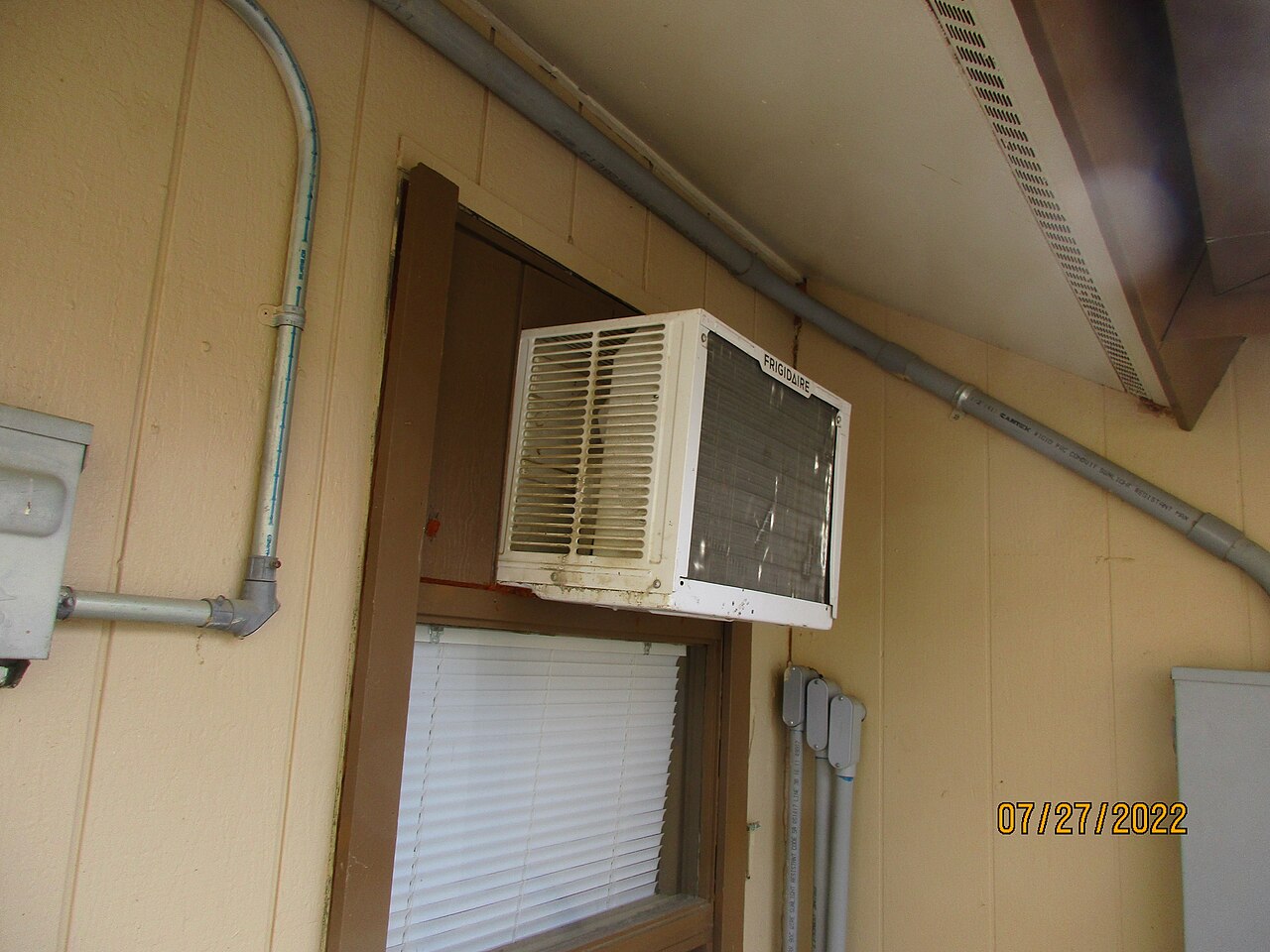
The federal government’s energy forecasters released their June outlook on Tuesday, and the message for households is straightforward: expect a hotter summer than last year, more electricity use, and higher prices for each kilowatthour you burn.
The Energy Information Administration’s Short-Term Energy Outlook, updated June 9, is the closest thing to an official preview of what your next few power bills will look like. Paired with a new affordability report from the state energy assistance directors, it sketches a summer in which the average household pays noticeably more to stay cool. Here is what the numbers say and what you can do about them.
Hotter weather, more electricity
The June edition of the outlook assumes about 3 percent more cooling degree days from June through September than last summer. Cooling degree days measure how hot it gets and for how long, and they track closely with air-conditioning demand. More of them means compressors running longer.
All that cooling shows up on the supply side too. EIA expects U.S. power plants to generate about 1,620 billion kilowatthours over the four summer months, roughly 3 percent more than last summer. The agency projects the increase will be met almost entirely by renewable sources, with utility-scale solar generation up about 19 percent and wind up about 10 percent compared with last summer, while coal generation declines about 2 percent.
One wrinkle in the forecast: the summer starts gently. EIA expects June itself to be cooler than June 2025, with roughly 15 percent fewer cooling degree days than a year earlier. The heat is projected to arrive in the third quarter, which the agency expects to run about 8 percent hotter than the same period last year. In plain terms, the painful bills are more likely to land in August and September than in early July.
Prices are still climbing
Weather is only half of a power bill. The other half is the price per kilowatthour, and that has been moving in one direction. EIA’s June forecast tables put the average U.S. residential electricity price at about 18.2 cents per kilowatthour for 2026, up from an average of about 17.3 cents in 2025, an increase of roughly 5 percent. The outlook shows further increases into 2027, to about 18.6 cents.
For the summer quarter specifically, the forecast calls for an average residential price around 18.4 cents per kilowatthour, compared with about 17.7 cents in the same months last year. Multiply a higher price by more hours of air conditioning and the direction of the typical bill is not in doubt.
What that means in dollars
The National Energy Assistance Directors Association, which represents the state officials who run the federal energy assistance program, put a dollar figure on it this week. Its June price update, released with the Center for Energy Poverty and Climate, projects the average household will spend about $792 on electricity this summer, up from $717 in 2025, an increase of 10.5 percent. The group says summer cooling costs have risen nearly 40 percent since 2020.
The same report flags how much strain is already in the system: about one in six U.S. households is behind on its utility bills, and the group counted roughly 13.5 million electric service disconnections in 2024. It expects cooling costs to rise in every region, with households in the West South Central states, including Texas, Oklahoma, Arkansas, and Louisiana, facing the highest average summer electric bills in the country.
Ways to blunt the increase
You cannot negotiate with the weather, but a few moves genuinely shave dollars off a cooling season. Setting the thermostat a few degrees higher when you are out, and using fans to make a warmer setting comfortable when you are home, cuts the largest single load in most summer households. Replacing clogged air filters and keeping the outdoor condenser clear of debris helps the system do the same work with less electricity. If your utility offers time-of-day pricing, shifting laundry and dishwashing to evening hours can matter more this year than last, since price increases have been concentrated in peak periods in many markets.
It is also worth a look at your actual rate. In states with retail choice, comparing supply offers once a year is a 20-minute exercise that sometimes finds real savings. Everywhere else, utilities often have budget-billing plans that spread summer spikes across twelve even payments. Budget billing does not lower the total, but it prevents an August bill from wrecking a monthly budget.
If the bill is already unmanageable
Help exists, and it is underused in summer. The Low Income Home Energy Assistance Program, or LIHEAP, helps eligible households pay energy bills, and many states run cooling assistance alongside the better-known winter heating aid. Local utilities also commonly offer hardship funds, payment plans, and protections against shutoffs during official heat emergencies. If a bill is slipping away from you, calling the utility before the due date almost always produces better options than calling after a disconnection notice arrives.
The outlook, in short, is manageable but not kind: a cooler June, a hotter late summer, and prices about 5 percent above last year. Households that adjust early, on the thermostat, the rate plan, and the payment schedule, will feel that combination far less than those who wait for the September bill to explain it.

Leave a Reply