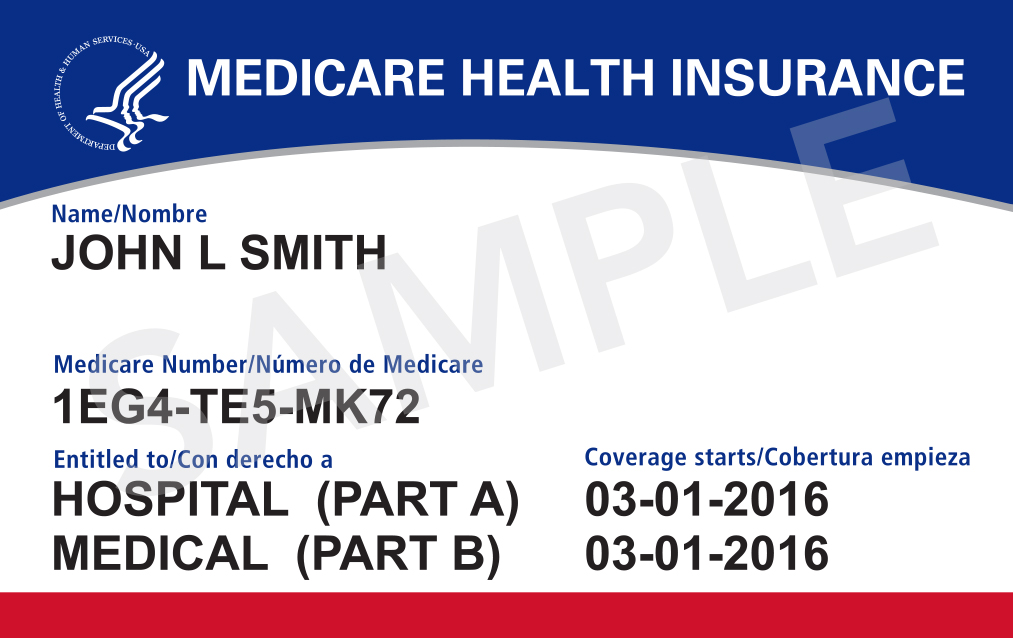
A Medicare Advantage member unhappy with her plan’s network calls in July expecting to switch, and learns she almost certainly cannot until the fall. That conversation happens thousands of times every summer, because Medicare does not work like car insurance: you cannot change plans whenever you like. Enrollment runs on a fixed calendar of windows, and the window you are standing in determines what, if anything, you can do today.
Learning the calendar pays twice: it stops you from missing the chance to fix a bad plan, and it protects you from late-enrollment penalties that never go away. Here is the full year of Medicare enrollment windows, what each one allows, and the exceptions that let some people move outside them, drawn from the rules Medicare publishes on when you can join or switch a plan.
Your first window: the seven months around 65
Everything starts with the Initial Enrollment Period, a seven-month stretch that opens three months before the month you turn 65 and closes three months after it. During it you sign up for Parts A and B, and can join a Medicare Advantage or Part D drug plan. When coverage begins depends on when in the window you act, as Medicare’s coverage-start rules lay out. People still covered by an employer plan at 65 can usually delay Part B without penalty and get a special window later, but that hinges on the employer coverage being current employment coverage, a detail worth confirming with the benefits office before you skip signing up.
The big one ahead: October 15 to December 7
The main annual chance to change coverage is Medicare Open Enrollment, which runs October 15 through December 7 every year, with changes taking effect January 1. During those weeks anyone with Medicare can move from Original Medicare to a Medicare Advantage plan or back, switch from one Advantage plan to another, and join, drop or switch Part D drug plans.
This fall’s window is three and a half months away, which makes right now the sensible time to start a file rather than a decision. Note what has bothered you about your current plan this year: denied referrals, a doctor who left the network, a drug moved to a pricier tier. In late September, plans mail their Annual Notice of Change describing next year’s premiums and benefits; read it against your file, then compare alternatives with the official Medicare Plan Finder once the fall window opens.
The winter escape hatch for Advantage members
People enrolled in a Medicare Advantage plan get one more regular chance: the Medicare Advantage Open Enrollment Period, January 1 through March 31. During it you can switch to a different Advantage plan once, or drop Advantage entirely for Original Medicare and add a drug plan. It is a one-move window, only for people already in an Advantage plan, and it does not allow moving from Original Medicare into Advantage.
One caution about leaving Advantage for Original Medicare in that window: returning to Original Medicare usually means wanting a Medigap supplement policy, and outside your first six months of Part B enrollment, Medigap insurers in most states can consider your health in deciding whether to sell you a policy and at what price, per Medicare’s Medigap timing rules. Check whether you can actually get a Medigap policy before you give up an Advantage plan.
Missed Part B entirely? The general window
People who missed their initial window and have no special enrollment rights sign up for Part B during the General Enrollment Period, January 1 through March 31, with coverage starting the month after you enroll. The lasting cost is the late enrollment penalty: a surcharge added to the Part B premium for as long as you have it, and a similar penalty structure applies to late Part D enrollment. The penalties are the reason the calendar deserves respect even from healthy people who feel no urgency.
The exceptions that work year-round
Special Enrollment Periods let you change plans outside every window above when life changes the situation: you move out of your plan’s service area, you lose employer coverage, you enter or leave a nursing home, your plan leaves Medicare, or you qualify for Medicaid or the Extra Help drug subsidy, among others listed in Medicare’s special-circumstances rules. Each comes with its own clock, often two to three months from the triggering event, so report moves and coverage losses promptly. There is also a standing exception for quality: anyone can switch into a plan rated five stars in their area once per year, if one exists where they live.
If none of those fit, the honest answer in early July is the one that unhappy caller got: document what is wrong, watch for the notice in September, and be ready on October 15. The calendar is rigid, but it is also public, free to check at Medicare.gov or by phone at 1-800-MEDICARE, and generous to the people who plan around it rather than discover it.

Leave a Reply