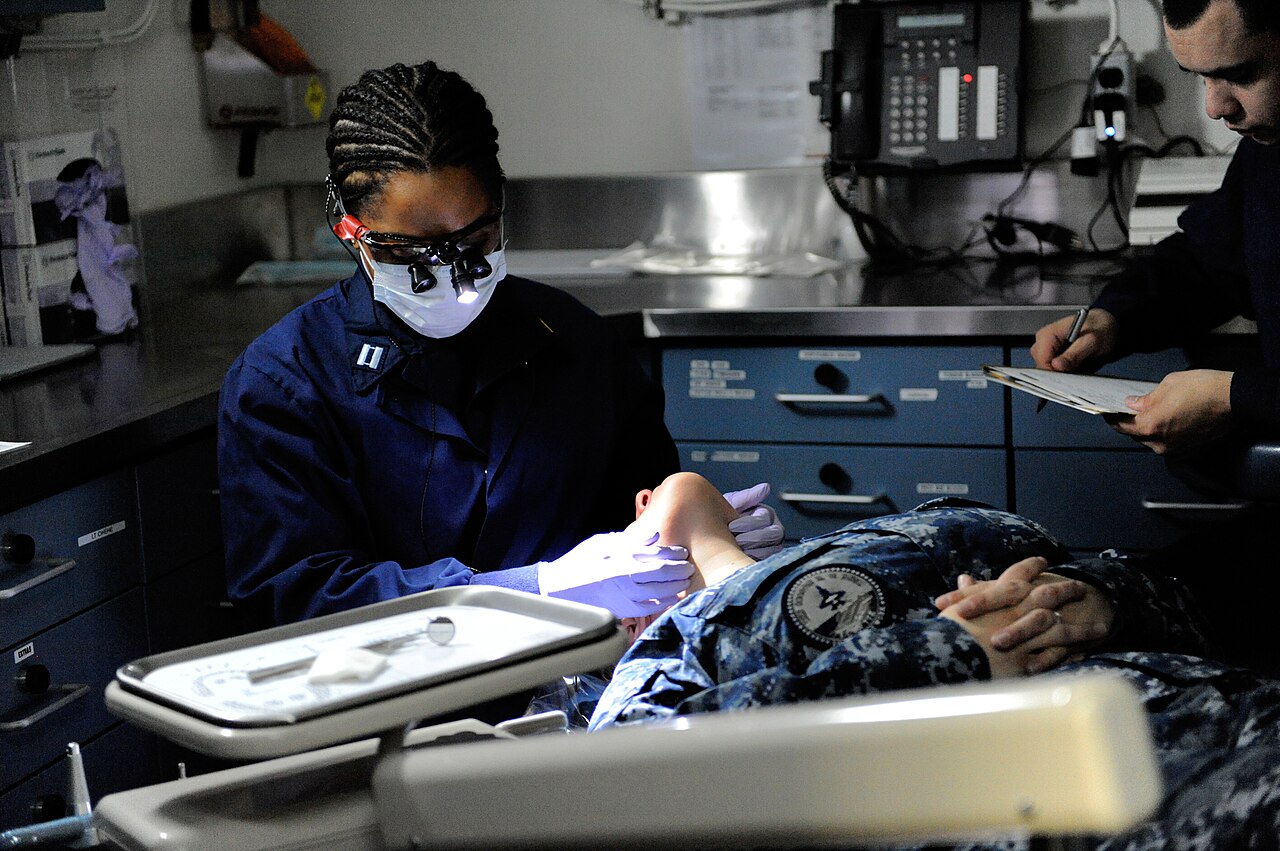
A cracked tooth, a new eyeglass prescription, and a pair of hearing aids can easily add up to several thousand dollars in a single year. For many new Medicare enrollees, the bigger shock is the explanation that comes with the bills: for the most part, Medicare was never designed to pay for any of it.
Original Medicare, the traditional Part A and Part B program, excludes most routine dental care, most vision care, and hearing aids entirely. The exclusions date back to the program’s creation in 1965 and have survived every reform effort since. Knowing exactly where the lines sit, and what narrow exceptions exist, is the first step toward budgeting for the parts of your health that Medicare treats as optional.
Dental: the biggest gap
Medicare does not cover most dental care: cleanings, fillings, extractions, root canals, dentures, and implants are all on you. The exceptions are narrow and hospital-centered. Part A can pay for certain dental services you receive while an inpatient, such as emergency or complicated procedures tied to a covered hospital stay, and Medicare may cover dental exams or treatment that are medically necessary to make another covered service safe, for example clearing an infection before heart valve surgery or an organ transplant.
What that means in practice: the routine maintenance that prevents expensive problems is entirely out of pocket under Original Medicare, and so is the expensive problem itself when it arrives outside a hospital.
Vision: glasses are out, disease care is in
The pattern with eyes is similar. Medicare does not pay for routine eye exams for glasses or contacts, and it does not cover eyeglasses or contact lenses in general. The one classic exception: after cataract surgery that implants an intraocular lens, Part B helps pay for one pair of corrective eyeglasses with standard frames or one set of contact lenses, from a Medicare-enrolled supplier, with the usual 20 percent coinsurance after the deductible.
Medical eye care is a different story. Part B covers yearly diabetic retinopathy exams for people with diabetes, glaucoma tests for those at high risk, and certain tests and treatments for macular degeneration. The dividing line is diagnosis versus refraction: Medicare treats disease, not blurry distance vision.
Hearing: aids excluded, diagnosis covered
Medicare does not cover hearing aids or the exams to fit them, a notable exclusion given that a pair commonly runs well into four figures. Part B does cover diagnostic hearing and balance exams when your doctor orders them to see whether you need medical treatment. Since 2022, adults with mild to moderate hearing loss have had one more route: over-the-counter hearing aids, sold without a prescription at pharmacies and electronics retailers, generally at a fraction of the cost of prescription devices. They are not right for severe loss, but for many people they are a serious option worth asking an audiologist about.
How people fill the gaps
The most common filler is a Medicare Advantage plan. Most Part C plans advertise some dental, vision, and hearing coverage on top of the standard benefits. The fine print deserves respect: benefits are often capped at a fixed annual dollar amount, limited to specific networks of dentists and optometrists, and structured so that cleanings are free but crowns and dentures are only partially covered. When comparing plans, look up the actual annual maximum for comprehensive dental and what share of major work the plan pays, not just the word “included.” Remember, too, that choosing Advantage for the extras changes how all your other care works, including networks and prior authorization.
If you prefer to stay with Original Medicare, standalone dental insurance and dental-vision-hearing bundles are sold by many insurers, typically with waiting periods for major work and annual caps of their own. Dental discount plans, which are membership networks rather than insurance, can also cut costs for people with predictable needs.
Help for tight budgets
Several public and community options exist for people for whom none of the above fits the budget. Some state Medicaid programs cover dental services for adults who qualify, and Medicaid coverage varies widely by state, so it is worth checking your state’s rules directly. Federally funded community health centers provide dental care on a sliding fee scale based on income, and many dental schools run supervised clinics at reduced prices. Veterans may qualify for dental or hearing care through VA health benefits.
Planning for what Medicare will not do
The practical takeaway is to treat teeth, eyes, and ears as a known, recurring expense in retirement rather than a surprise. Price a year of routine care where you live, decide whether a plan’s extra benefits or a standalone policy genuinely beats paying cash, and keep some cushion for the year a crown and a hearing aid arrive together. If you conclude a different plan setup would serve you better, changes generally happen during the fall open enrollment window later in the year, which gives you the summer to compare what your current coverage actually pays against what it advertises. The gaps in Medicare are real, but they are also predictable, and predictable costs are the kind you can plan around.

Leave a Reply